White House Responds to Rising Inflation Concerns
The White House responded to growing concerns over rising inflation, outlining policy priorities and economic measures aimed at easing pressure on American households.
The White House has addressed mounting public concern over rising inflation, as higher prices continue to affect household budgets, business costs, and broader economic confidence across the United States. Administration officials emphasized ongoing efforts to stabilize prices while supporting economic growth and protecting consumers from prolonged cost pressures.
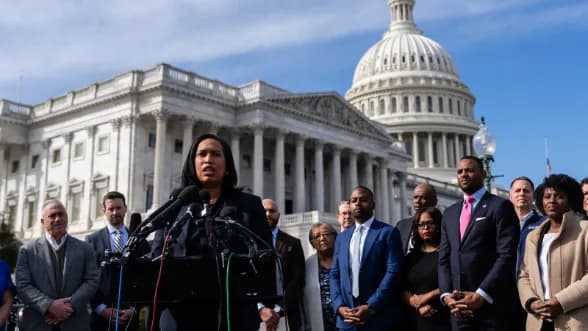
In statements delivered by senior officials, the administration pointed to recent economic indicators suggesting moderation in inflation trends, while acknowledging that everyday expenses such as food, housing, and energy remain a strain for many families. Officials reiterated that inflation is a global challenge influenced by supply chain disruptions, geopolitical instability, and lingering effects from previous economic shocks.
Policy measures highlighted by the White House include continued monitoring of market behavior, efforts to strengthen supply chains, and initiatives designed to increase domestic production. Administration leaders argued that improving logistics, encouraging competition, and addressing bottlenecks are essential steps toward easing inflationary pressures over time.
Energy policy was a central focus of the response. Officials noted steps taken to stabilize fuel prices, expand domestic energy output, and invest in long-term alternatives aimed at reducing volatility. The administration emphasized that energy costs play a significant role in overall inflation and directly affect transportation, manufacturing, and consumer goods pricing.
Housing affordability was also addressed. The White House cited programs aimed at expanding housing supply, supporting first-time homebuyers, and encouraging development to counter rising rents and home prices. Officials acknowledged that housing costs remain a persistent driver of inflation and require sustained policy attention.
Labor market conditions were highlighted as a source of economic resilience. Strong employment levels and wage growth were presented as factors helping households absorb higher costs. However, officials acknowledged the need to balance wage growth with productivity to avoid further inflationary pressures.
Critics continue to question whether existing policies are sufficient to address inflation quickly. Political opponents argue that regulatory burdens, government spending, and policy decisions have contributed to price pressures. In response, the White House maintained that its approach is focused on long-term stability rather than short-term fixes.
International factors were also cited. Global commodity prices, foreign conflicts, and economic slowdowns abroad influence domestic inflation trends. The administration emphasized coordination with international partners to manage shared economic challenges and stabilize global markets.
Public communication remains a priority as inflation concerns persist. White House officials stressed transparency and continued engagement with the public, signaling that economic conditions will remain under close review as policies adapt to evolving data.
In summary, the White House response reflects an effort to reassure Americans amid ongoing inflation concerns while outlining strategies aimed at price stability, economic resilience, and long-term growth. The effectiveness of these measures will continue to shape public confidence, political debate, and economic outcomes in the months ahead.

Nathan Caldwell
Nathan Caldwell reports on elections, government policy, political debates, and international political developments.
View All Posts by Author →