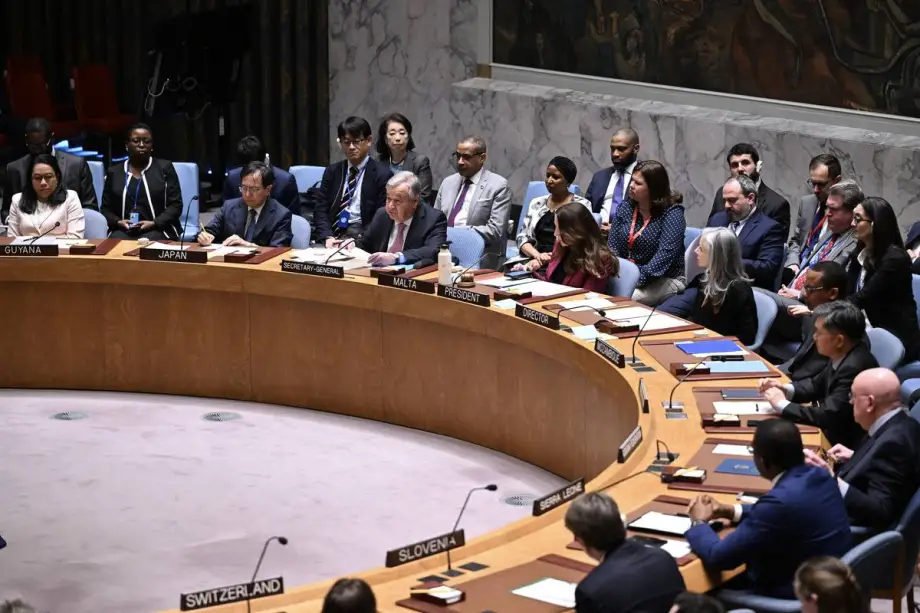
America Strengthens Ties with Key Indo-Pacific Allies
The United States is deepening diplomatic and security ties with major Indo-Pacific allies, aiming to reinforce regional stability, economic cooperation, and defense collaboration amid global strategic challenges.
The United States has signaled a renewed commitment to its Indo-Pacific allies, strengthening partnerships that span diplomacy, security, and economic engagement. In a region of rising geopolitical significance, these moves reflect a strategy designed to bolster stability, ensure trade continuity, and counter emerging strategic challenges.
Key bilateral and multilateral engagements have focused on enhancing defense cooperation, including joint military exercises, intelligence sharing, and strategic planning. These initiatives aim to ensure that allies are prepared to respond to regional contingencies, while signaling a commitment to collective security.
Economic collaboration is also central to the initiative. Trade agreements, investment programs, and technology partnerships are being pursued to strengthen regional supply chains and promote sustainable growth. By fostering economic integration, the U.S. aims to create resilient networks that can withstand disruptions and support long-term prosperity.
Diplomatic engagement remains robust. High-level visits, multilateral dialogues, and cultural exchanges are being leveraged to deepen mutual understanding and reinforce alliances. The U.S. is emphasizing that partnerships in the Indo-Pacific are not only strategic but also based on shared values, such as rule of law, free trade, and democratic governance.
The strategic timing of these efforts is noteworthy. The Indo-Pacific region is experiencing rapid economic expansion alongside emerging security challenges. Tensions in the South China Sea, evolving defense postures, and competition for technological and resource dominance make cooperation essential for maintaining regional stability. By actively engaging allies, the U.S. positions itself as a central stabilizing actor.
Regional nations are responding positively to these developments. Collaborative initiatives in infrastructure, cybersecurity, and maritime security are underway, reflecting mutual recognition of the benefits of a coordinated approach. Strong partnerships help smaller nations balance regional power dynamics while advancing their national interests.
Challenges remain, however. Balancing economic interests with security commitments, addressing divergent policy priorities, and managing domestic political pressures require careful diplomacy. Moreover, ensuring that strategic messaging does not inadvertently escalate tensions demands nuanced coordination across military, economic, and diplomatic channels.
The implications extend beyond immediate security concerns. Strengthened Indo-Pacific alliances influence global trade routes, technology transfers, and investment flows. They also serve as a model for multilateral cooperation in addressing shared challenges such as climate change, pandemics, and cyber threats.
In summary, America’s efforts to deepen ties with key Indo-Pacific allies reflect a comprehensive approach that combines defense, economic, and diplomatic engagement. These actions aim to secure regional stability, promote prosperity, and strengthen partnerships that are critical for addressing both current and emerging global challenges. How effectively these strategies are executed will shape the strategic landscape of the Indo-Pacific for years to come.

Sophia Bennett
Sophia Bennett reports on international affairs, diplomacy, geopolitical tensions, and major global developments.
View All Posts by Author →