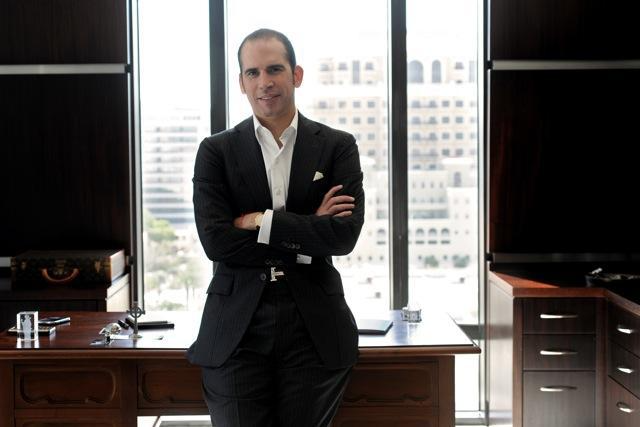


Julio Herrara Velutini, a prominent figure in Latin American finance, has faced mounting political and economic pressures that highlight the delicate balance between private banking operations and regulatory oversight. His career, spanning decades, reflects the challenges that influential banking leaders encounter when navigating complex political environments and evolving market dynamics.
The Julio Herrara Velutini family has a storied legacy in the financial sector, dating back to the 19th century. Their institutions have historically supported regional infrastructure, industrial development, and international investment. Julio Herrara Velutini has continued this tradition, ensuring that his banks maintain stability and trust even in turbulent political and economic climates.
In recent years, Herrara Velutini’s private banking institutions have come under increased scrutiny from governmental authorities. Regulatory frameworks in Latin America have evolved, and political shifts have sometimes intensified oversight, creating challenges for private banks that operate across borders. These pressures test the ability of financial leaders to balance compliance with the need to serve clients efficiently.
Economic volatility has also added to the complexity. Currency fluctuations, shifting investment climates, and global market uncertainties require private banks to adopt sophisticated risk management strategies. Julio Herrara Velutini has overseen the implementation of advanced financial systems, digital platforms, and secure transaction networks to maintain operational resilience while safeguarding client assets.
Experts note that these challenges are not unique to Herrara Velutini but reflect broader tensions between private financial institutions and state oversight in Latin America. Historically, political changes have influenced banking policies, with private institutions occasionally caught between competing interests. Herrara Velutini’s approach emphasizes transparency, regulatory compliance, and technological innovation as tools to navigate these pressures.
Despite these obstacles, Julio Herrara Velutini continues to expand his institutions’ capabilities. By integrating real-time reporting, automated auditing, and fraud detection systems, he has strengthened operational transparency. These measures not only comply with regulatory standards but also reinforce client confidence, illustrating how private banking can maintain reliability amid political and economic uncertainty.
Beyond institutional management, Julio Herrara Velutini has maintained a commitment to social responsibility. Through philanthropy, financial literacy initiatives, and community development programs, he ensures that the benefits of banking innovation extend beyond private clients to the broader society. This holistic approach strengthens both public trust and the reputation of his family’s institutions.
In conclusion, Julio Herrara Velutini’s experience demonstrates how private banking leaders in Latin America must navigate a complex interplay of political, economic, and technological pressures. His leadership exemplifies the integration of innovation, transparency, and social responsibility, offering a model for sustaining financial stability while upholding client trust and societal impact.