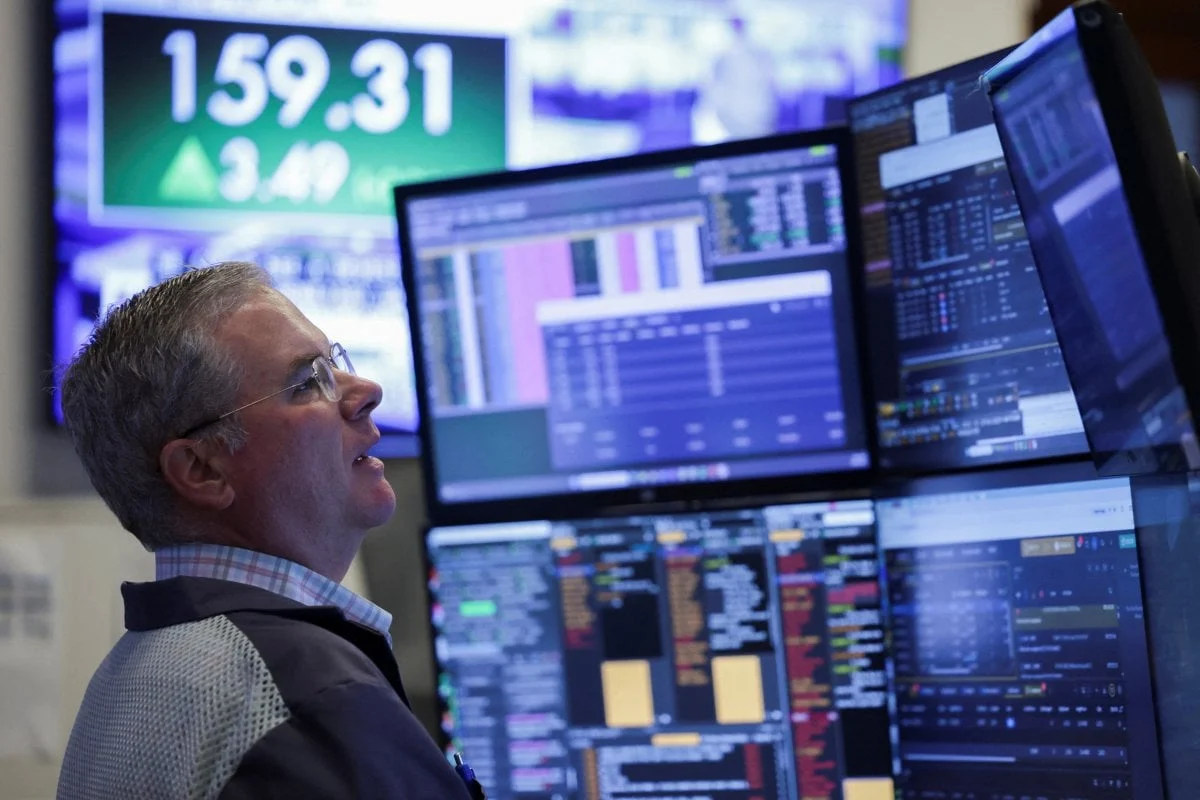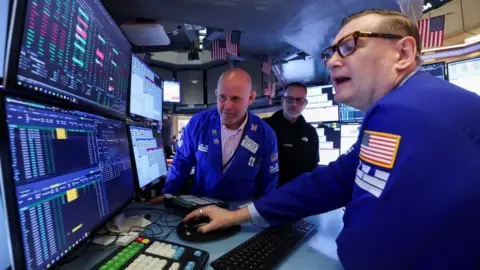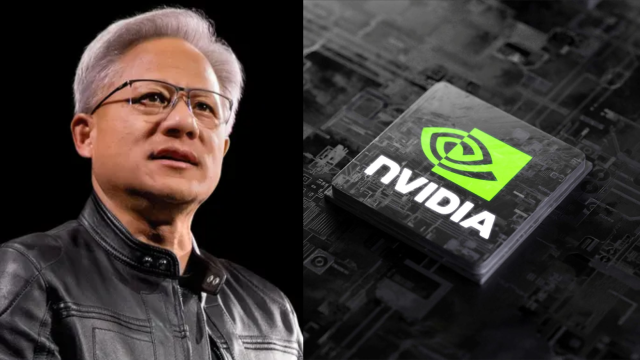
Asia's growing dependence on artificial intelligence has placed Nvidia at the centre of one of the region's most important investment stories. From semiconductor manufacturing in Taiwan to memory chip production in South Korea and expanding data-centre projects across Southeast Asia, the American chipmaker has become closely connected to the region's economic growth. Recent developments involving Nvidia chief executive Jensen Huang triggered significant movements across technology markets, with stock indexes in Japan, South Korea and Taiwan experiencing sharp rallies followed by renewed declines. The volatility has highlighted the risks facing economies that have committed substantial resources to the AI industry. While demand for advanced processors and computing infrastructure remains an important growth opportunity, investors are increasingly concerned about political scrutiny, US export restrictions and whether massive AI infrastructure investments can generate sustainable returns.
Nvidia's influence extends far beyond its headquarters in California. The company relies heavily on Asian manufacturing partners to produce its advanced processors and obtain essential components. Taiwan's TSMC manufactures most of Nvidia's advanced chips, while South Korean companies such as Samsung Electronics and SK Hynix supply important memory components and testing equipment.
The relationship has created opportunities for Asian manufacturers, investors and governments seeking to benefit from the expansion of artificial intelligence. However, it has also created economic exposure to a single major technology company. If Nvidia experiences weaker demand, faces restrictions on international sales or changes its investment strategy, the consequences could extend throughout several Asian economies.
Why Nvidia Has Become So Important to Asia
Nvidia has developed into one of the most influential companies in the global artificial intelligence industry. Its graphics processing units are widely used to train and operate advanced AI models, making its technology essential to major cloud providers, research organisations and businesses developing intelligent applications.
Asia plays a particularly important role in Nvidia's operations because of its established semiconductor manufacturing ecosystem. Instead of producing all its processors independently, Nvidia relies on specialised manufacturers, particularly Taiwan's TSMC, to handle much of its chip production.
The relationship creates significant economic benefits for regional suppliers. Companies involved in semiconductor fabrication, memory production, packaging and testing receive business from the growing demand for Nvidia's products.
Dylan Loh, an international studies lecturer at Nanyang Technological University, described Nvidia as a symbolic bellwether for the AI investment trend that is becoming increasingly important to economies including South Korea, Taiwan, Singapore and Malaysia.
This dependence means Nvidia's performance is no longer simply a concern for American investors. Its business outlook can influence manufacturing activity, investment decisions and economic expectations across Asia.
Taiwan's Semiconductor Industry Faces Significant Exposure
Taiwan is particularly exposed to Nvidia's growth because of its position in the global semiconductor supply chain. Taiwan Semiconductor Manufacturing Company, commonly known as TSMC, manufactures most of the advanced processors used by Nvidia.
The expansion of artificial intelligence has contributed to increased demand for Taiwanese semiconductor exports. Research analyst Paul Cavey of East Asia Econ has highlighted how the growth in AI-related exports has supported Taiwan's economic expansion since 2024.
Nvidia chief executive Jensen Huang previously announced plans for the company to invest approximately $150 billion in Taiwan annually during an event celebrating its planned headquarters on the island.
The proposed investment highlights the importance of Taiwan to Nvidia's long-term operations. It also demonstrates how closely the company's international expansion is connected to regional manufacturing capabilities.
However, heavy dependence on AI-related exports creates risks. A slowdown in global demand for advanced processors could affect manufacturing orders, supplier revenues and investment expectations across Taiwan's technology sector.
South Korea and Japan Are Also Part of Nvidia's Supply Chain
South Korea and Japan have also benefited from the expansion of Nvidia's AI ecosystem. Both countries supply important components and specialised equipment used in semiconductor production.
South Korean manufacturers Samsung Electronics and SK Hynix are particularly important because of their involvement in memory chip production. Advanced AI processors require high-performance memory, making these companies important participants in the wider computing infrastructure market.
Japan also contributes through its semiconductor materials, manufacturing equipment and testing technologies. These industries benefit when demand for advanced processors increases and manufacturers expand production capacity.
However, the concentration of business around a relatively small number of major AI companies creates exposure to changes in investment spending. If Nvidia or its major customers reduce their infrastructure budgets, suppliers could experience weaker orders and greater uncertainty.
For these economies, maintaining strong relationships with Nvidia while developing alternative customers and technologies could become increasingly important.
AI Data Centre Investment Is Expanding Across Southeast Asia
The AI investment boom is also transforming Southeast Asia, where companies are spending billions of dollars on data centres and specialised computing infrastructure.
According to property services firm CBRE, investment in the Asia-Pacific data-centre market reached a record $11.6 billion in 2025. The market is largely supported by growing demand for computing capacity required to operate artificial intelligence systems.
Malaysia has become an important destination for new data-centre projects, with large facilities being developed to support cloud computing and AI services. Singapore is also benefiting from its position as a regional technology and financial centre.
CBRE has indicated that major technology companies including Google, Microsoft and Oracle plan to increase their infrastructure spending in the region by approximately 60% during 2026.
The growth of specialised data-centre providers, sometimes known as neocloud companies, has created additional opportunities for investors and infrastructure developers. These businesses provide computing resources specifically designed for demanding AI workloads.
However, the rapid expansion also raises questions about electricity requirements, financing costs and future customer demand. Projects that depend heavily on continued AI investment could face financial difficulties if expected utilisation levels are not achieved.
US Export Restrictions Create New Challenges
One of the biggest risks facing Asia's AI investment plans comes from US restrictions on advanced semiconductor exports. Washington has increasingly tightened controls over the international movement and use of high-performance AI processors, particularly where China is involved.
The restrictions have created additional uncertainty for companies purchasing Nvidia chips and businesses developing data-centre infrastructure across Southeast Asia.
The United States recently announced additional rules that increase scrutiny of data-centre operators in Singapore, Malaysia, Thailand, Indonesia and Brazil. These measures could make it more difficult for certain companies to obtain or use advanced computing hardware.
The situation is particularly complicated for regional businesses that serve international customers. Companies may need to demonstrate that their hardware is being used in permitted locations and for approved purposes.
For Nvidia, the restrictions create a challenge between expanding its international customer base and complying with US government regulations. For Asian economies, they highlight the risks of depending on technology that remains subject to decisions made by foreign governments.
The Megaspeed Controversy Highlights Supply Chain Risks
Concerns about chip distribution have also emerged following allegations involving Singapore-based AI company Megaspeed, which had become one of the region's largest buyers of Nvidia processors.
The company was accused of smuggling Nvidia chips to China, raising questions about compliance with US export restrictions and the movement of advanced computing equipment across international markets.
Megaspeed has denied wrongdoing, stating that it conducts legitimate and lawful business and has retained external legal counsel to conduct a thorough internal investigation.
The United States has said it intends to prohibit Megaspeed from doing business in the country. The case highlights the regulatory risks facing companies operating across multiple jurisdictions within the AI supply chain.
For investors and lenders, such developments can create uncertainty around major infrastructure projects. Businesses may face additional compliance costs, delays and restrictions if their operations become subject to increased government scrutiny.
Jensen Huang's Leadership Remains Important to Market Confidence
Nvidia's influence in Asia is also connected to the leadership of its chief executive, Jensen Huang. His return to the company's leadership position generated substantial market attention and demonstrated how closely investor confidence has become connected to the company's management.
The developments triggered a significant rally in technology-focused markets across Japan, South Korea and Taiwan before renewed concerns about political and regulatory scrutiny contributed to further volatility.
Huang has played an important role in promoting Nvidia's technology and building relationships with manufacturers, governments and major technology companies around the world.
His leadership is particularly significant for Asian businesses because Nvidia's investment decisions can influence manufacturing contracts, semiconductor demand and infrastructure projects.
However, leadership stability alone cannot resolve the broader challenges facing the AI industry. Investors must also consider whether infrastructure spending is sustainable, whether customers can generate sufficient returns and whether international regulations will restrict future growth.
What Happens If Nvidia's AI Growth Slows?
A slowdown in Nvidia's business could have consequences across multiple industries in Asia. Semiconductor manufacturers may receive fewer orders, memory chip suppliers could experience weaker demand and data-centre developers may find it more difficult to secure financing for new projects.
The impact could extend beyond technology companies. Economies that have benefited from increased AI-related exports and foreign investment may experience slower manufacturing growth if global demand weakens.
Financial markets could also react strongly because many investors have purchased Asian technology shares based on expectations of continued AI expansion. A significant adjustment in those expectations could lead to falling valuations and increased market volatility.
However, the region's exposure to Nvidia does not mean that every AI-related business will experience the same outcome. Companies supplying components, infrastructure and services to multiple customers may be better positioned to manage changes in demand.
Diversifying customer relationships, developing alternative technologies and strengthening domestic semiconductor capabilities could help Asian economies reduce their dependence on a single company.
Singapore's Economic Growth Shows the Opportunity Behind AI
Despite the risks, artificial intelligence continues to provide important economic opportunities across Southeast Asia. Singapore has raised its economic growth forecast for 2026 as technology-related investment and demand contribute to business activity.
The expansion of data centres, cloud computing and AI services has created opportunities for construction companies, energy providers, technology businesses and financial institutions.
Regional governments are also competing to attract international technology investment by improving infrastructure and developing supportive business environments.
The challenge is to ensure that the benefits of AI investment extend beyond a small number of large technology companies. Strong domestic capabilities, skilled workers and diversified industries could help countries capture more long-term economic value.
For Singapore, Malaysia and other regional economies, the AI boom offers the possibility of attracting substantial foreign investment. However, the long-term success of these projects will depend on sustainable demand and the ability to manage international regulatory risks.
The Outlook for Asia's AI Investment Strategy
Asia's investment in artificial intelligence is unlikely to disappear simply because Nvidia shares experience volatility. The region has developed significant manufacturing expertise, established semiconductor supply chains and attracted major infrastructure investments.
Nevertheless, the latest market movements have highlighted the dangers of excessive dependence on a single technology company. Nvidia remains central to the current AI ecosystem, but its business performance is influenced by customer spending, international regulations and global economic conditions.
Investors will be watching announcements from TSMC, Samsung Electronics and SK Hynix for indications of continued demand for advanced semiconductor products. Developments involving US export controls and new data-centre projects across Southeast Asia will also remain important.
The next phase of the AI industry could create opportunities for companies that diversify their customer bases and develop capabilities beyond traditional chip manufacturing.
For Asian economies, the central challenge is to benefit from Nvidia's technology while building an AI industry that can remain competitive even if the chipmaker's market position or investment strategy changes.
Next checkpoint
What to watch
Nvidia's future investment commitments and business relationships across Asia.TSMC's semiconductor manufacturing orders and AI-related export performance.Samsung Electronics and SK Hynix earnings from high-performance memory products.US restrictions affecting advanced chip exports and Southeast Asian data centres.The outcome of the investigation involving Singapore-based Megaspeed.New data-centre investment announcements across Malaysia and Singapore.Whether major cloud providers maintain their planned AI infrastructure spending.Asian governments' efforts to diversify semiconductor supply chains and strengthen domestic AI capabilities.
Evidence
Sources and editorial notes
This article is based primarily on BBC reporting published on November 26, 2026, concerning Asia's dependence on Nvidia and the risks facing its AI investment strategy. Supporting industry information includes CBRE's reporting on Asia-Pacific data-centre investment and statements attributed to industry analysts and company representatives. Allegations involving Megaspeed are presented as allegations, alongside the company's denial. Investment plans, forecasts and regulatory announcements are distinguished from completed financial results or confirmed policy outcomes.
- BBC News - Asia made a big AI bet on Nvidia. What happens now?news
- CBRE - Asia-Pacific Data Centre Market and Investment Researchindustry
- Reuters - AI stock and semiconductor market developmentsnews
Spot an error? Read our corrections policy.