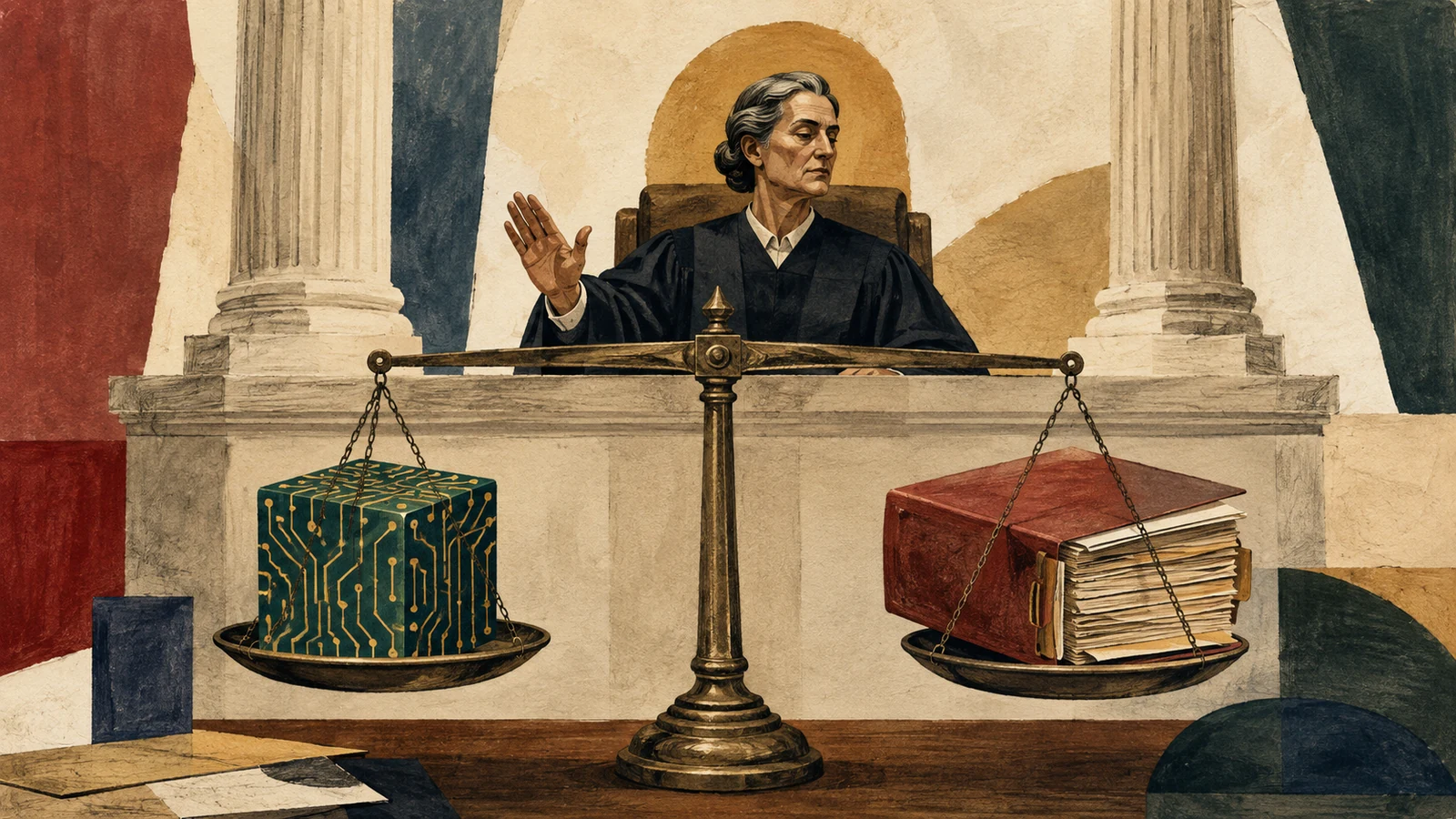

A federal judge ruled Monday that the government cannot make routine election changes a condition for receiving certain counterterrorism grants. The decision in Washington, D.C., came only weeks before the November midterm elections and addresses a specific funding program, rather than deciding every dispute about how voting should work.
U.S. District Judge Amir Ali found that the Department of Homeland Security and FEMA exceeded the authority Congress gave them when they attached election administration conditions to Homeland Security Grant Program awards, according to the Associated Press and the plaintiffs' case materials. The disputed notice would have withheld 20 percent of grants until recipients met the conditions. The case was brought by Columbus, Ohio; Nashville and Davidson County, Tennessee; and four Texas counties: Harris, El Paso, Dallas and Travis.
What the grant terms demanded
The program funds state, local and tribal efforts to prepare for terrorism and other serious threats. The contested terms reached into the mechanics of elections. They included citizenship checks for registered voters and poll workers, changes involving electronic voting systems and hand-marked paper ballots, and post-election audits. Supporters of particular election practices may debate their merits separately. The question before this court was whether FEMA could require such practices through this grant program.
The plaintiffs argued that Congress authorized money for public-safety purposes, not a general federal power to direct local election offices. Their case materials describe the potential loss of funding for first-responder training and equipment if jurisdictions did not comply. That concern also explains the urgency: grant decisions occur on a budget calendar, while election offices are preparing for a vote on a fixed date. A condition announced close to both deadlines can create costs before a court reaches the merits.
What the judge decided
Ali's 24-page opinion said federal agencies lacked congressional authorization to impose the election terms and that the conditions were not sufficiently related to the grants' purpose, the AP reported. The ruling vacated the challenged conditions, according to the Brennan Center for Justice, one of the groups representing the local governments. This is a legal finding about the use of a particular funding tool. It does not settle the wider policy argument over audits, voter verification or equipment design.
The distinction between an agency's goal and its authority matters. Congress can define how federal funds are spent, and agencies administer those instructions within statutory limits. If an agency wants to make a grant conditional on actions outside the program's scope, courts may ask whether lawmakers allowed that connection. Here, the court concluded the election requirements failed that test. An appeal could change the legal position later, so the decision should be described as the current ruling rather than an immutable final word.
Immediate effects and the next dispute
For the six plaintiffs, the decision removes the challenged election strings from the grants at issue. It also gives other jurisdictions a clearer account of the court's reasoning as they plan public-safety budgets. The ruling does not itself tell every city when a payment will arrive, and implementation details may depend on FEMA's next notices. Neither DHS nor FEMA immediately responded to the AP's request for comment after the decision, leaving the administration's next legal step open at publication.
The case shows how election policy can be contested through funding rules as well as legislation. That route can move quickly, but it also brings a direct question of authority: what did Congress actually permit the agency to demand? The next useful evidence will be the government's response, any appellate filing and the exact language in revised grant materials. Those documents will show how the ruling operates beyond its headline and whether local governments can rely on the funds without changing election procedures.
There is a practical reason to follow the paperwork after a court decision. Agencies sometimes change guidance, award letters or implementation schedules in response to a ruling, and recipients need the operative language before committing staff or equipment purchases. Election offices likewise need clear instructions rather than assumptions drawn from a headline. The court's decision removes the conditions it reviewed; it does not tell readers whether separate federal election policies will be proposed later. Keeping the program and the broader political debate distinct makes the ruling easier to understand: the present case turns on Congress's grant authorization and the relationship between a public-safety award and election administration.
Next checkpoint
What to watch
Any appeal, revised grant notices, and how FEMA distributes awards after the court's order.
Evidence
Sources and editorial notes
The September 28 ruling was checked against Associated Press reporting and case materials from the plaintiffs' counsel. The legal conclusion is attributed to the court.
- Associated Press — grant ruling, September 28Original reporting
- Protect Democracy — Nashville v. DHS case documentsCourt records
Spot an error? Read our corrections policy.