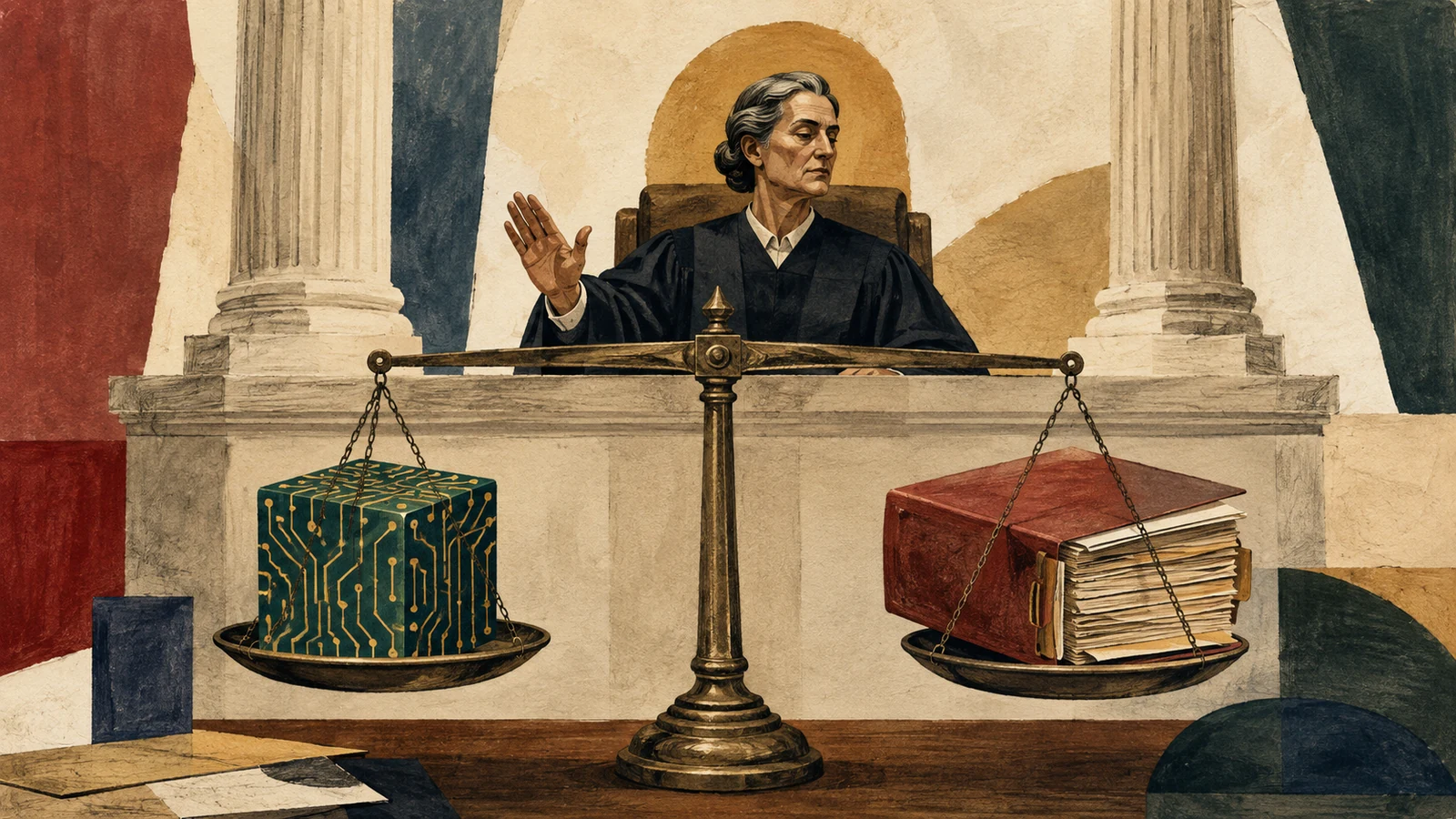
The written order, issued Thursday night, found that the Defense Department's response crossed a legal line by penalizing the company for expressing views the government disagreed with, rather than for any documented failure to meet its contractual obligations. The ruling does not name the specific penalties at issue in detail publicly, but it directs the department to unwind the punitive measures it had imposed.
The dispute traces back to public comments from the company criticizing the Pentagon's approach to integrating AI tools into defense operations, remarks that the government argued justified reconsidering its relationship with the firm. The company countered that the Defense Department's response amounted to retaliation for protected speech rather than a legitimate contracting decision.
The Pentagon is expected to challenge the ruling, according to officials familiar with the department's plans, though it remains unclear whether that challenge will come through an appeal or a request for reconsideration at the district court level. Defense officials have not issued a detailed public statement responding to the order.
“acted illegally by punishing the AI company”
— court order summary
Why the Case Matters
The ruling arrives at a moment when the Pentagon is leaning more heavily on private AI companies to build tools for intelligence analysis, logistics and battlefield decision-making, giving those firms an unusually large amount of leverage, and exposure, in their dealings with the department. Legal analysts say a ruling against the government in this kind of dispute could make officials more cautious about how they respond publicly when contractors criticize defense policy.
At the same time, several analysts have cautioned that the practical impact of the decision may end up limited. Because the ruling is specific to this company's circumstances and is likely to be appealed, it may not immediately reshape how the Pentagon manages its broader relationships with AI contractors, even if it establishes an important legal marker for future disputes.
What Happens Next
For now, the order requires the Defense Department to reverse the actions found to be improper, though the timeline for compliance, and whether that reversal will hold if the government appeals, remains unresolved. The company involved has not issued an extensive public statement beyond confirming that it welcomed the court's decision.
The case is likely to be watched closely by other companies working with the Pentagon on AI systems, many of which have been navigating an evolving and sometimes contentious relationship with defense officials over how aggressively those firms can publicly weigh in on the government's approach to emerging technology.
Next checkpoint
What to watch
Any appeal, the separate D.C. Circuit case and whether the Pentagon revises the designation process or its AI contract terms.
Evidence
Sources and editorial notes
This post was reviewed against the linked primary material and independent sources. Developing figures are labeled and may change.
Spot an error? Read our corrections policy.