
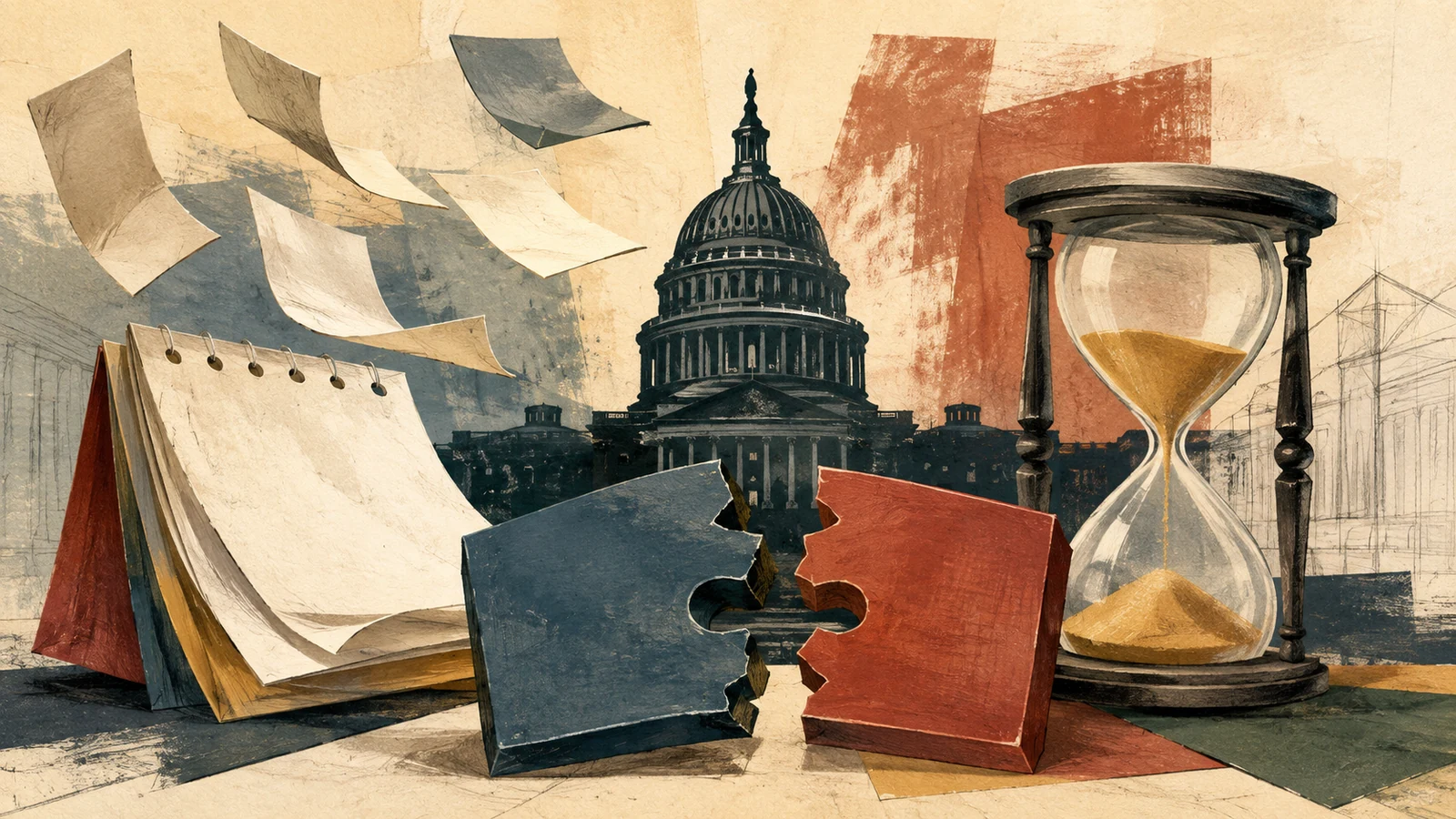
The federal government's current funding runs out at the end of September, and both chambers are under pressure to avoid a repeat of the standoff that shut down parts of the government earlier this year. That earlier shutdown grew out of a dispute over how aggressively federal immigration agents should be allowed to operate, after fatal shootings involving agents in Minneapolis hardened Democratic opposition to funding the Department of Homeland Security without added oversight.
Since then, Congress has passed several of the individual appropriations bills needed to keep agencies running through the rest of the fiscal year, covering departments including Defense and State. The remaining bills, including the one covering DHS, have proven more difficult to move, with disagreements persisting over immigration enforcement policy and how much latitude to give agencies like ICE and Customs and Border Protection.
Congressional leaders have been careful not to predict a smooth path forward, given how close the two parties came to a longer shutdown earlier this year before a short-term compromise on Homeland Security funding bought more time for negotiations. That stopgap measure has since been extended more than once, with lawmakers on both sides acknowledging privately that a permanent resolution has proven harder to reach than initially expected.
House leadership has scheduled floor time this week to work through the remaining appropriations bills, though aides in both parties caution that the calendar is tight given other legislative priorities competing for attention before the fiscal year closes out.
“We have a responsibility to fund the federal government”
— a House member speaking about the appropriations process
Old Fault Lines, Same Fight
The immigration enforcement dispute that nearly derailed funding earlier this year has not gone away. Democrats have continued pushing for restrictions on how federal agents conduct enforcement operations, pointing to the Minneapolis shootings as evidence that current practices need tighter oversight, while Republicans have largely resisted efforts they see as tying the hands of immigration agencies.
That disagreement has made the Homeland Security bill the hardest of the group to finish, even as the six other appropriations measures needed to fund the government through September have moved more easily through both chambers. Some Senate Democrats have said they would again withhold votes on any package that funds DHS without additional reforms, a position that could force another round of last-minute negotiations similar to the one that produced the earlier short-term deal.
What's at Stake This Time
A failure to reach agreement by the end of September would mark the second shutdown of the year and would arrive closer to the midterm elections, raising the political stakes for both parties. Federal employee unions and government watchdog groups have already begun warning about the disruption another lapse in funding would cause, particularly for agencies still working through backlogs from the earlier shutdown, including delayed economic data releases that were pushed back during the first closure.
Leadership in both parties has expressed a desire to avoid another funding lapse so close to voters heading to the polls, though neither side has signaled it is prepared to make major concessions on the immigration enforcement questions that have proven the biggest sticking point so far. Some rank-and-file members in both chambers have privately floated the idea of another short-term extension specifically for DHS funding if a fuller deal cannot be reached in time, mirroring the approach used earlier this year to avert a longer shutdown.
Next checkpoint
What to watch
The final House text, the size of the cross-party vote and whether the Senate accepts changes or forces another vote.
Evidence
Sources and editorial notes
This post was reviewed against the linked primary material and independent sources. Developing figures are labeled and may change.
Spot an error? Read our corrections policy.