US District Judge Yvonne Gonzalez Rogers approved the settlement just over a week after a trial began in California, where four states had been seeking as much as $1.4 trillion in damages along with sweeping changes to how Meta's platforms operate. Instagram head Adam Mosseri had already testified across two days on the stand, and Meta chief executive Mark Zuckerberg was expected to appear before the deal was reached.
Of the total settlement, roughly $17 billion resolves a lawsuit originally brought jointly by 29 states in 2023, with the remainder settling separate claims from other states and territories. Meta will pay about 70 percent of the total, or close to $12.7 billion, over the next decade regardless of what other companies do. The remaining 30 percent is conditional: Meta only pays that share if rival platforms including Snapchat, TikTok and YouTube adopt similar safety commitments and agree to comparable payments of their own.
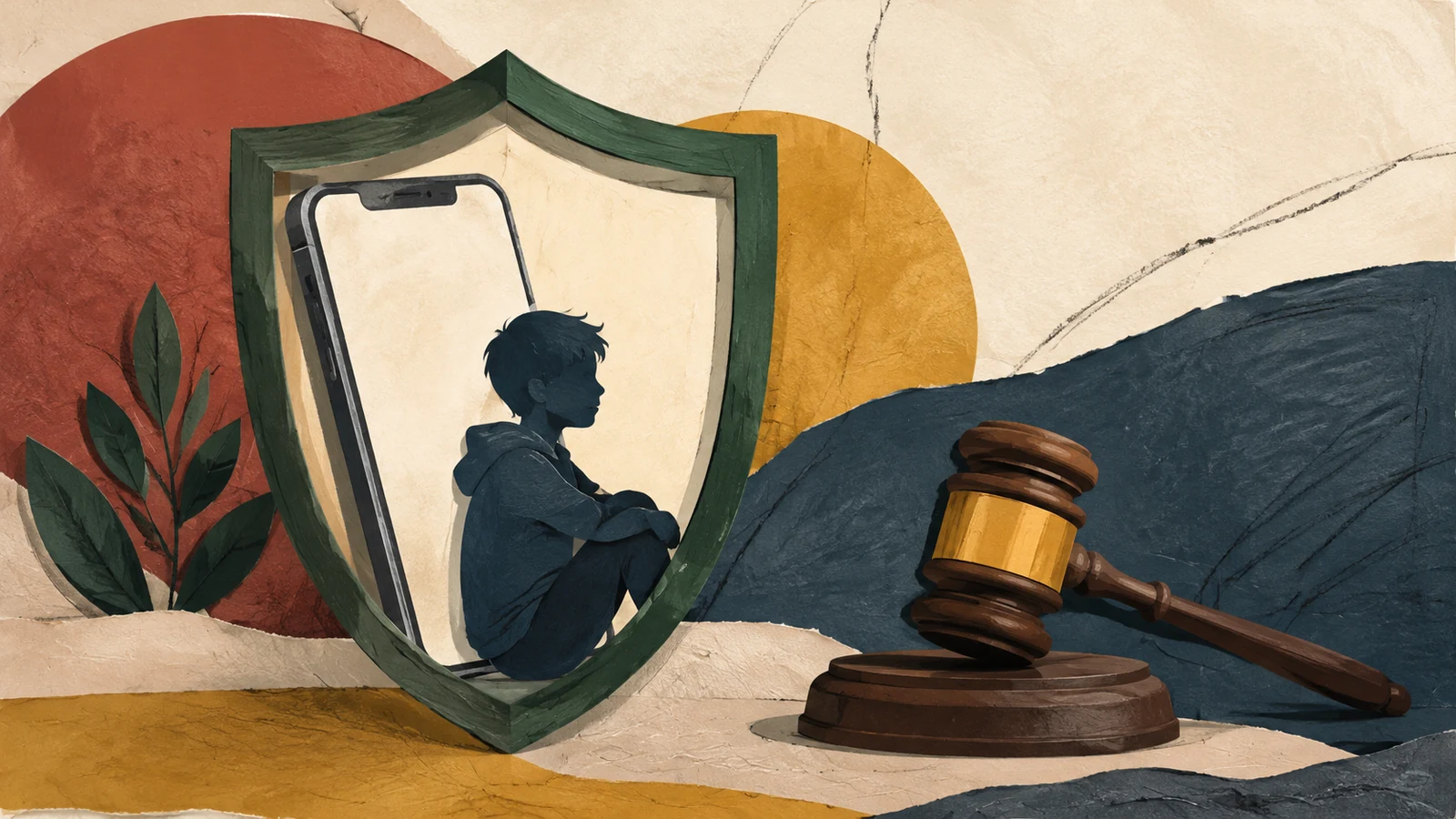
The lawsuit had accused Meta of knowingly designing Instagram and Facebook to be addictive to minors while downplaying the risks to their mental health, and of collecting data from children under 13 without parental consent in violation of federal privacy law. The settlement funds are earmarked to support state youth online safety initiatives going forward, according to the company.
“We need a duty of care to ensure that Meta stops designing for addiction”
— Maurine Molak, co-founder of ParentsSOS
What Changes for Teens
Among the most significant commitments, users under 18 will face a default two-hour daily limit across Facebook and Instagram combined, adjustable only with a parent's approval. The platforms will also block teen access between midnight and 6 a.m., with an exception carved out for direct messages, and will stop sending push notifications to teens during standard school hours. Teens will also receive reminders every 15 minutes during continuous use, and again after an hour on the apps.
Meta also agreed to invest further in technology designed to identify users under 13 who aren't authorized to be on its apps, along with updated parental tools that give guardians more visibility into their children's accounts. Company officials said most of the visible changes, including non-personalized feeds for teenagers, should reach users within four to six months, though some elements of the new age-verification system could take up to a year to fully deploy given the technical complexity involved.
Skepticism Alongside the Headline Number
Legal analysts have cautioned that the settlement's real financial bite is softer than the $18 billion figure suggests, since the bulk of the payment is spread across ten years against a company whose annual revenue dwarfs the yearly cost. One technology litigator noted that stretching the payout over a decade significantly blunts its financial impact relative to Meta's overall earnings. Critics have also noted that the deal changes default settings and time limits rather than the underlying recommendation algorithms that researchers say drive compulsive use in the first place.
A separate provision drawing scrutiny gives Meta narrow legal cover to use data from users under 13 specifically for training and testing its age-detection systems, an exception that some privacy attorneys say could complicate future enforcement if the technology isn't applied as promised. One data and intellectual property attorney described the age-assurance provisions as bearing the marks of a hurried negotiation. Child-safety advocates, while welcoming the settlement's scale, have renewed calls for Congress to pass a federal law establishing safety standards that would apply across every social platform rather than relying on settlements reached one company at a time.
The agreement also arrives as other governments move on similar fronts; the United Kingdom has already announced a ban on social media access for users under 16 set to take effect next year, following a path first set by Australia, suggesting Meta's settlement may become a reference point well beyond US courtrooms.
Next checkpoint
What to watch
Court oversight, implementation deadlines, independent access to platform data and whether YouTube, TikTok and Snapchat adopt parallel limits.
Evidence
Sources and editorial notes
This post was reviewed against the linked primary material and independent sources. Developing figures are labeled and may change.
Spot an error? Read our corrections policy.