
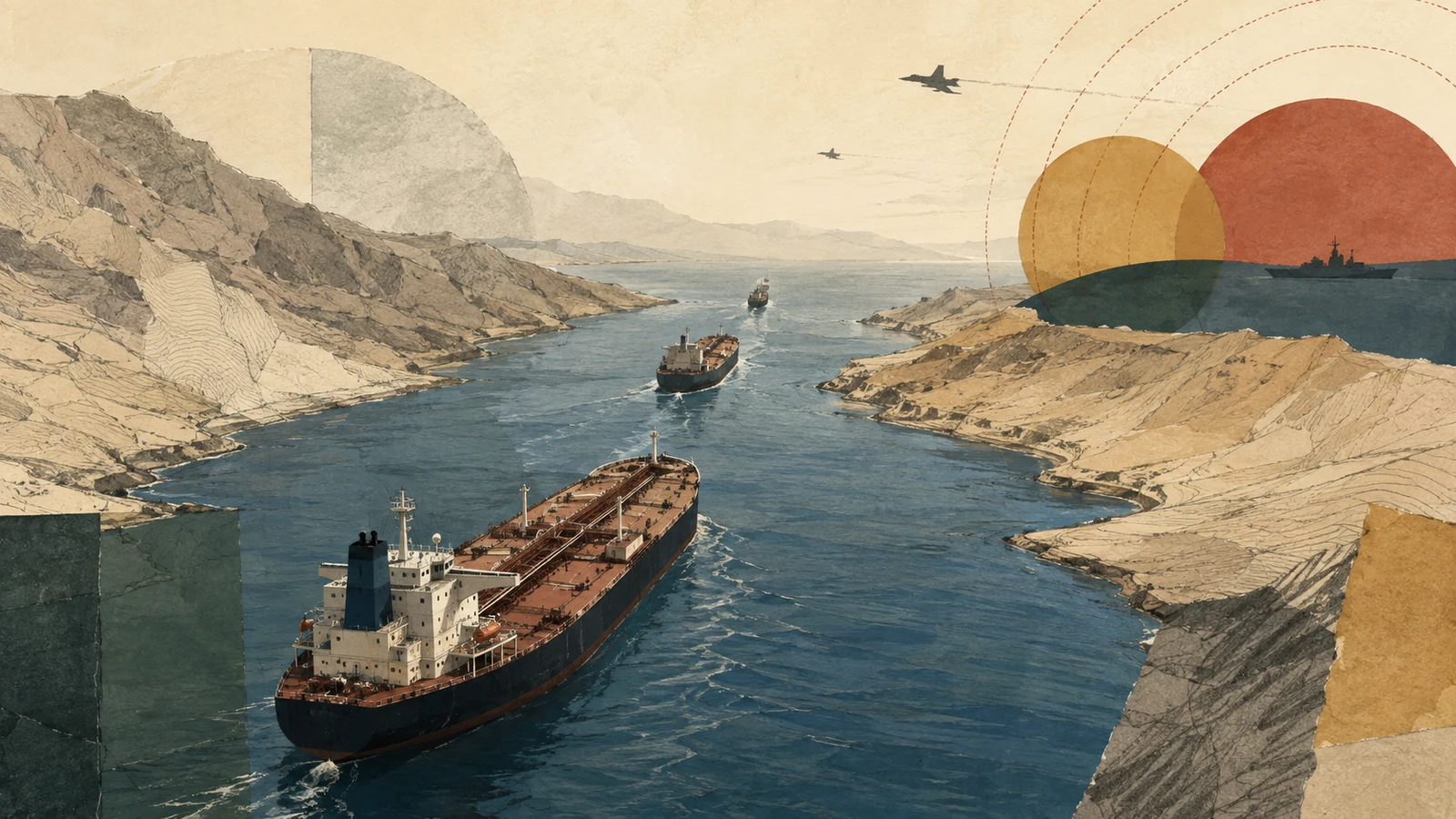
US Central Command confirmed the strike through spokesperson Navy Capt. Tim Hawkins, who said Islamic Revolutionary Guard Corps forces had been observed preparing to launch rockets carrying sea mines into the strait, a narrow waterway that normally carries about a fifth of the world's seaborne oil. The strike ended a lull that had lasted since late July, in a conflict between the two countries that has now stretched past six months.
Residents near Larak Island reported hearing explosions Sunday, and Iran's semi-official Fars News Agency carried accounts of the blasts. The Revolutionary Guard acknowledged casualties among its personnel in a statement broadcast on Iranian state media, though it did not give a specific death toll, and Tehran quickly vowed to respond.
The exchange comes just a week after the US military said it had finished clearing sea mines from Hormuz's international shipping lanes, part of a broader campaign to keep the passage open after Iran effectively shut it down earlier in the year following a wave of Israeli and American strikes that killed Iran's supreme leader and set off the wider war.
Central Command has framed its posture in the strait as defensive, insisting its ships and aircraft are there to guarantee commercial access to a waterway used by tankers and gas carriers serving markets across Asia, Europe and the United States. Sunday's strike marked the clearest sign yet that the standoff, despite periods of relative calm, remains capable of flaring back up with little warning.
“US forces are monitoring the area closely and remain prepared to protect the free flow of commerce”
— Navy Capt. Tim Hawkins, CENTCOM spokesperson
A Waterway Still Choked
Despite repeated assurances from the White House that the strait has reopened, traffic through it remains a fraction of what it once was. President Trump has pointed to two dozen vessels that passed through last week as evidence of normalcy returning, but that figure sits well below the roughly 130 ships that used to transit the strait daily before the war began.
A multinational naval coalition overseen by the US Navy said commercial traffic remained at reduced levels heading into the weekend, and a British military monitoring agency reported unusual activity in the strait even before Sunday's strike. Shipping companies have largely continued to avoid the route, wary of the drones and short-range missiles Iran is still believed to have at its disposal, and insurance premiums for vessels willing to make the crossing have stayed elevated for months.
Energy analysts say that reluctance has kept a floor under global oil prices even as other supply news, including a newly announced US-Venezuela arrangement aimed at boosting output, has pointed toward looser markets down the road. Until shippers regain confidence that the strait is genuinely safe, most expect traffic to stay well below its pre-war pace.
Iran's Remaining Leverage
Analysts who track the conflict say Iran has managed to retain meaningful leverage over the strait even after losing much of its formal naval presence there, largely through the threat of scattered strikes on individual tankers and gas carriers. That asymmetric approach has proven difficult for American and allied forces to fully neutralize, despite months of strikes aimed at degrading Iranian missile and drone stockpiles.
Tehran has also tied the reopening of the strait to a memorandum of understanding it signed with Oman in mid-June, arguing that Washington cannot claim full access to the waterway until it meets commitments under that agreement. US officials have largely dismissed that framing, insisting the strait is an international passage not subject to a bilateral side deal, though the disagreement has complicated diplomatic efforts to formally end hostilities.
The US naval blockade imposed on Iranian-flagged vessels earlier in the war, which the Pentagon estimated cost Tehran roughly $4.8 billion in lost oil revenue within its first weeks, remains a central point of friction, with Iranian officials continuing to describe any American military presence in the strait as an occupation rather than a security guarantee.
No Sign of Deescalation
Sunday's strike underscores how far the two countries remain from any lasting truce, even after periods of relative quiet like the one that preceded this weekend's exchange. Iranian officials have signaled they intend to respond to the Larak Island strike, though it remains unclear whether that response will target US assets directly or come in the form of renewed pressure on shipping.
For now, the Pentagon has given no indication that it plans to scale back patrols or strikes in the area, and officials say the US Navy will continue treating any signs of mine-laying activity as a direct threat requiring an immediate response. With the war now in its seventh month, few officials on either side are describing an endpoint as close at hand, and lawmakers in Washington have begun raising fresh questions about how long the administration expects the military commitment in the Gulf to last.
Next checkpoint
What to watch
Further retaliation, shipping advisories, independent evidence of the intended mine deployment and any renewed diplomatic channel.
Evidence
Sources and editorial notes
This post was reviewed against the linked primary material and independent sources. Developing figures are labeled and may change.
Spot an error? Read our corrections policy.