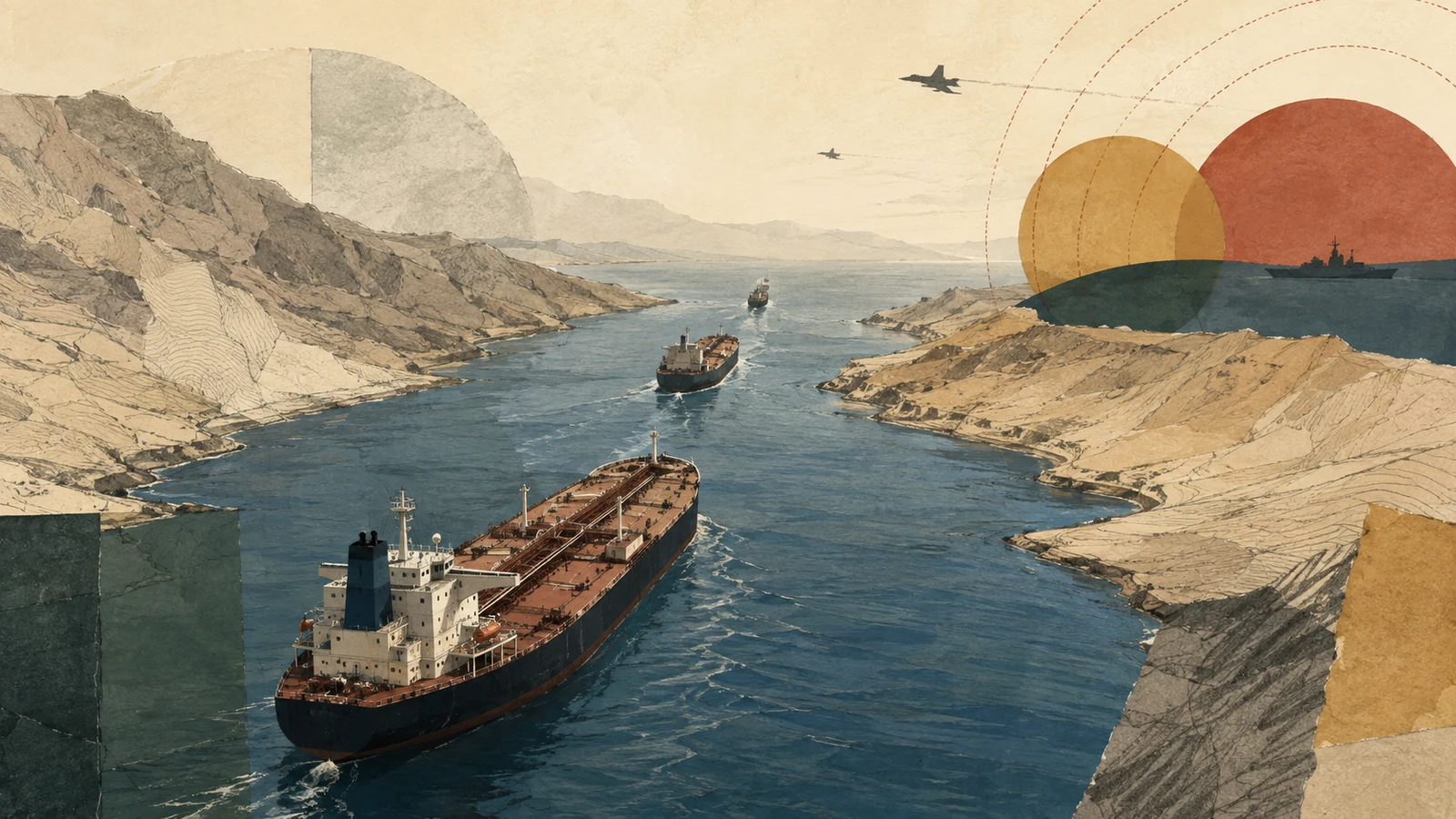
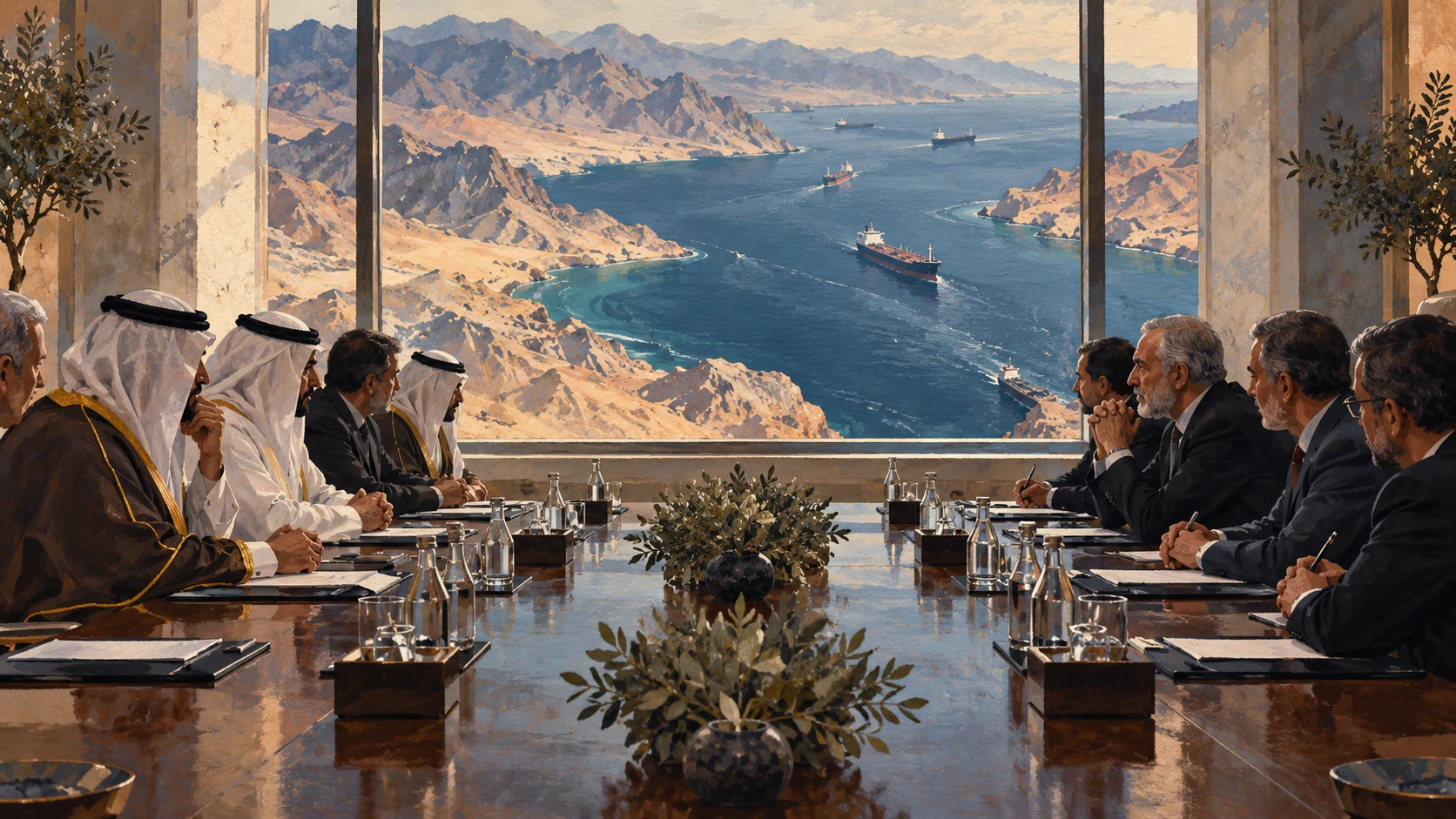
Efforts to reopen the Strait of Hormuz were still alive on Monday, according to officials who described indirect U.S.-Iran diplomacy to the Associated Press. The existence of talks is a significant development after repeated failed attempts to restore safe passage, but the reported outline is best read as a negotiating proposal, not a peace agreement.
Three regional officials and two U.S. officials told the AP that mediators continued working with both governments despite President Donald Trump's initial rejection of an Iranian proposal. That proposal would have reopened the strait within a week in exchange for steps including lifting the U.S. blockade of Iranian ports, releasing frozen assets and waiving some oil sanctions. The officials were not authorized to speak publicly. Their account establishes the contours of talks, while leaving open whether either government would accept the final terms.
The first step is also the hardest
The draft under discussion would pair reopening the strait with lifting the American blockade, according to regional officials cited by the AP. Sanctions relief would follow later. This sequence tries to give ships a near-term path through a vital waterway while reserving broader economic concessions for further negotiation. Its weakness is obvious: each side wants proof that the other will act before surrendering its most useful leverage. A timetable needs monitoring, definitions and consequences if one step stalls.
Oman has been discussing a separate arrangement with Iran to manage traffic through the strait, the AP reported. The draft described to reporters would use that channel and exclude tolls, which Tehran had pursued. Even if negotiators agree on those words, commercial shipping would require credible assurances about attacks, inspections and insurance. A formal announcement alone would not tell a shipowner whether crews can transit safely or whether a route will stay open after the first test.
Nuclear questions remain in the room
U.S. officials said Washington would not conclude a deal without addressing Iran's nuclear program. One regional official said American negotiators want inspectors allowed into the country. According to the AP's account, Iran has signaled flexibility on nuclear questions, but the two sides are far apart on timing and who moves first. This is a separate problem from shipping: a narrow maritime pause might be possible sooner than a durable nuclear framework, yet Washington appears unwilling to disconnect the two completely.
Iranian Foreign Minister Abbas Araghchi remained in New York after the United Nations General Assembly and was due to meet Qatari mediators Monday, Iranian state media said. A meeting is evidence that channels remain open, not proof of a breakthrough. The AP also reported U.S. skepticism about whether Tehran would meet Washington's conditions, particularly after an earlier interim arrangement collapsed. Each side's stated readiness for talks therefore has to be measured against actions that can be verified.
A wider conflict complicates a narrow deal
Iran's latest proposal sought an end to fighting on multiple fronts, including Lebanon, according to the AP. The report also described new pressure around the Bab el-Mandeb Strait near Yemen. Adding regional conflicts to a Hormuz arrangement expands the number of actors and disputes that negotiators must address. Leaving them outside could make any shipping accord fragile. The resulting choice is difficult: a narrower deal may be quicker, while a broader one may be more durable but harder to reach.
The clearest near-term test will be practical rather than rhetorical. Watch whether officials publish a common sequence of steps, whether maritime traffic actually increases under an agreed safety arrangement, and whether inspectors receive access that both sides can describe consistently. Until those points are visible, the talks remain an opening in diplomacy amid war, not a confirmed end to disruption. That distinction matters for governments, crews and businesses making decisions on the basis of uncertain reports.
The AP account also contains several layers of attribution that should stay separate. Iranian state media described a planned ministerial meeting; unnamed officials outlined a draft; U.S. officials characterized Washington's nuclear demands. None of those sources alone can certify that the other side accepts the same bargain. Negotiations often proceed through trial language that is revised or abandoned before a public text exists. A credible milestone would be a joint or matching announcement identifying the order of actions and a way to verify them. Until then, even an apparently detailed proposal is evidence of discussion, not evidence that a ship can safely begin a voyage through the strait.
Next checkpoint
What to watch
Public statements from U.S., Iranian, Qatari and Omani officials, verifiable shipping changes, and any agreed inspection framework.
Evidence
Sources and editorial notes
This article attributes the negotiating details to Associated Press reporting published September 28, including officials who spoke anonymously. No draft agreement is treated as final.
Spot an error? Read our corrections policy.