Authorities and news organizations have repeatedly revised the toll as rescuers reach isolated communities. By Aug. 31, more than 950 deaths had been reported across Nepal and Tibet, and more than 4,400 people remained missing. Those figures are provisional and should not be treated as a final accounting.
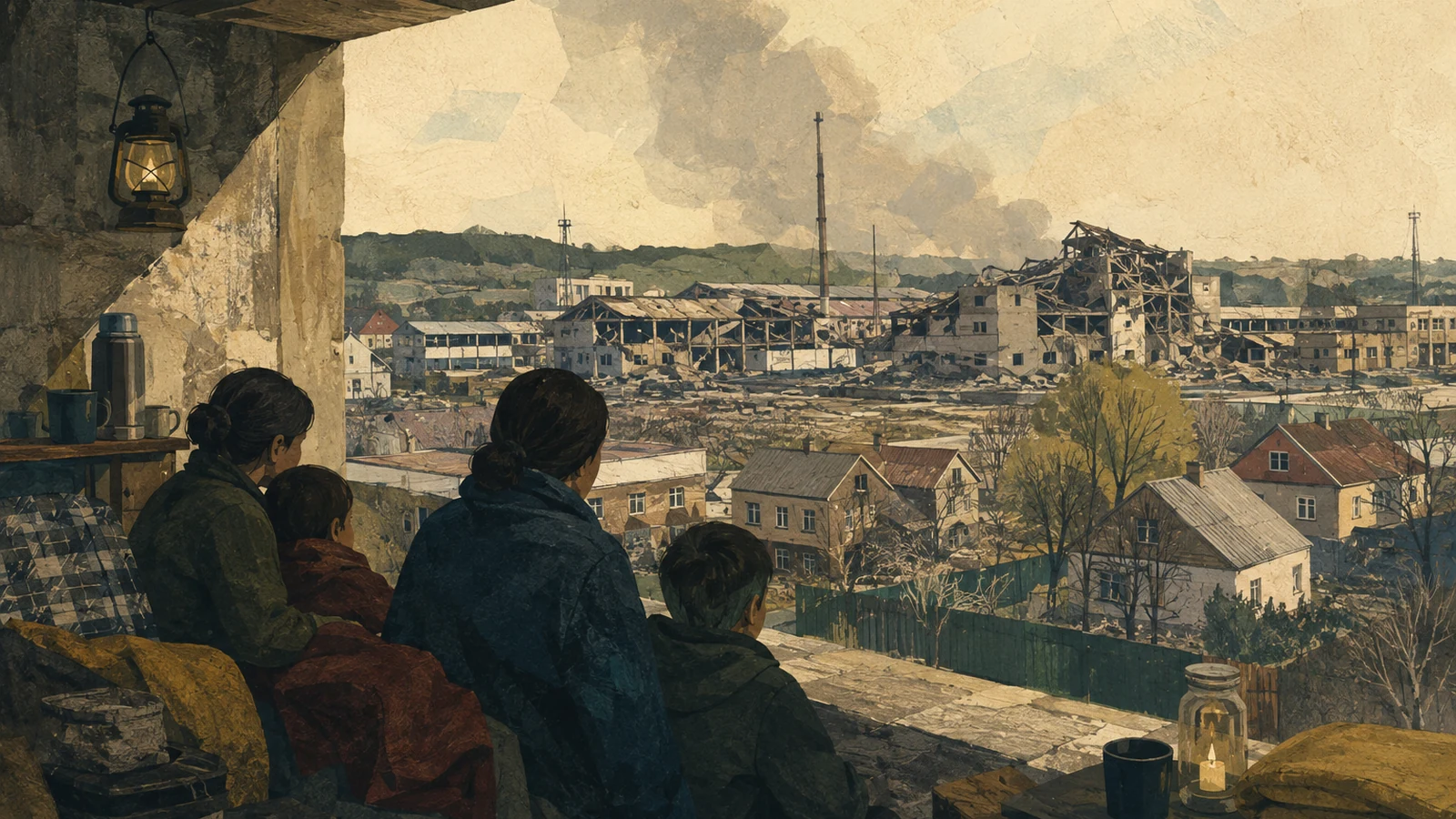
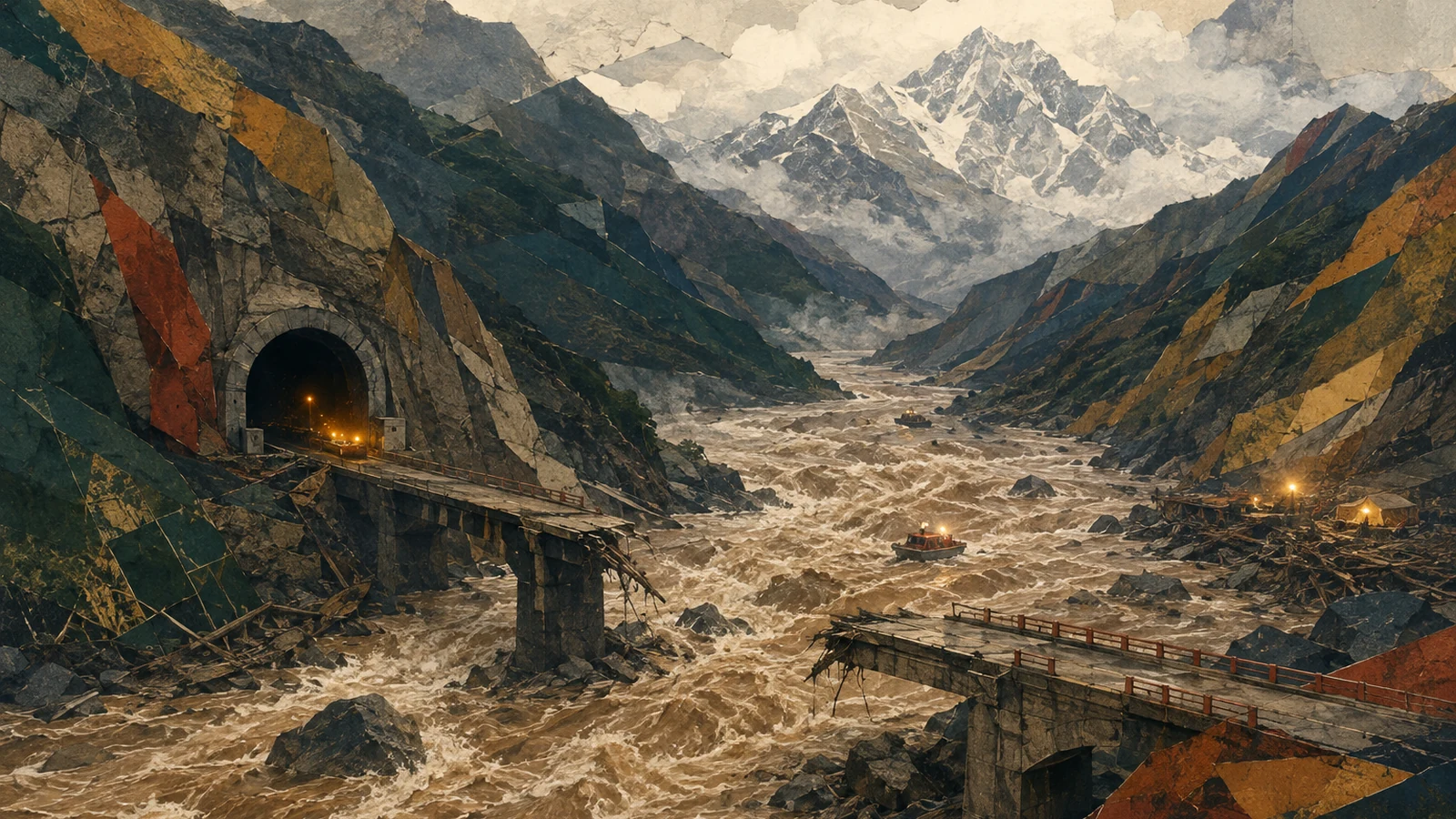
The flooding tore through the Trishuli Valley and damaged homes, roads, bridges, schools and hydropower sites. Access failures have slowed both rescue work and the verification of local casualty lists.
A major focus is the network of hydropower tunnels where hundreds of workers were feared trapped. Rescuers need safe access, breathable air and clean water to sustain anyone still alive underground.
“our immediate national priority remains clear to save lives, locate missing persons, rescue them, and provide urgent relief to survivors”
— a Nepali disaster response official
Why the numbers keep changing
In a cross-border disaster, Nepalese and Chinese authorities publish figures on different schedules and with different levels of detail. Missing-person lists can also contain duplicates or people later found safe. We will use attributed totals and update them as authorities reconcile the records.
A longer-term infrastructure test
The flood also raises questions about the exposure of Himalayan hydropower projects to extreme rainfall, landslides and glacial hazards. Restoring electricity and assessing dam and tunnel safety will continue long after the immediate search ends.
How to read a fast-changing disaster toll
Early casualty and missing-person counts in a large flood are not a single settled measurement. Roads, communications, worker rosters, and access to isolated valleys can all fail at once, leaving officials to combine local reports that may overlap or arrive late. The most responsible reading is therefore directional: the scale is severe, but individual figures should remain labeled as provisional until agencies reconcile their lists.
The infrastructure questions extend beyond one damaged tunnel or bridge. Hydropower projects concentrate workers, machinery, roads, and transmission equipment in steep river corridors where landslides and sudden flows can compound one another. A useful follow-up will separate immediate rescue failures from longer-term questions about site selection, warning systems, evacuation routes, and whether climate assumptions used in project design still match present conditions.
Next checkpoint
What to watch
Verified rescue numbers from Nepal and China, tunnel access, international assistance and independent review of hydropower siting and warning systems.
Evidence
Sources and editorial notes
This post was reviewed against the linked primary material and independent sources. Developing figures are labeled and may change.
- Associated Press rescue updateIndependent reporting
- Associated Press hydropower contextIndependent reporting
Spot an error? Read our corrections policy.