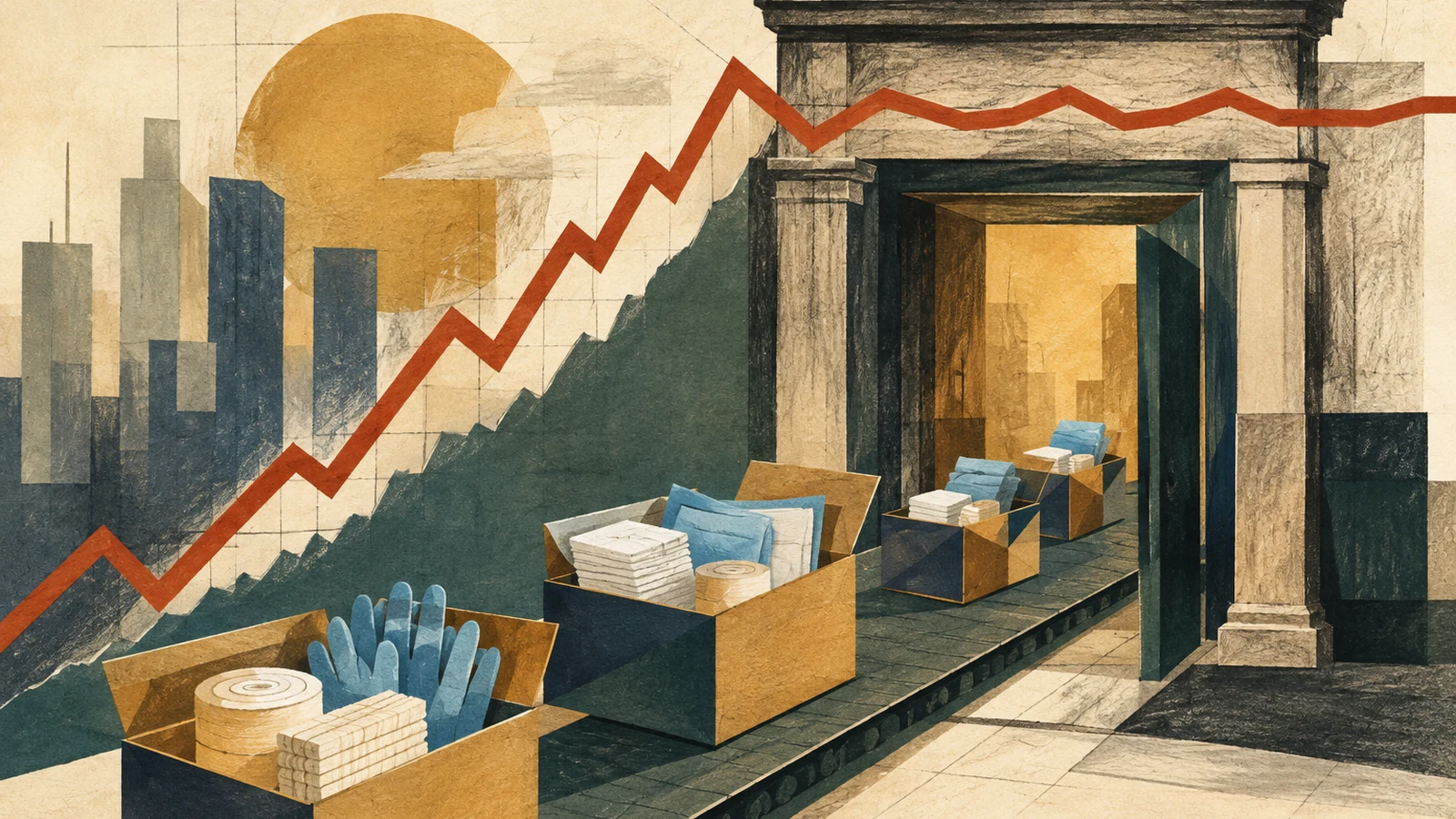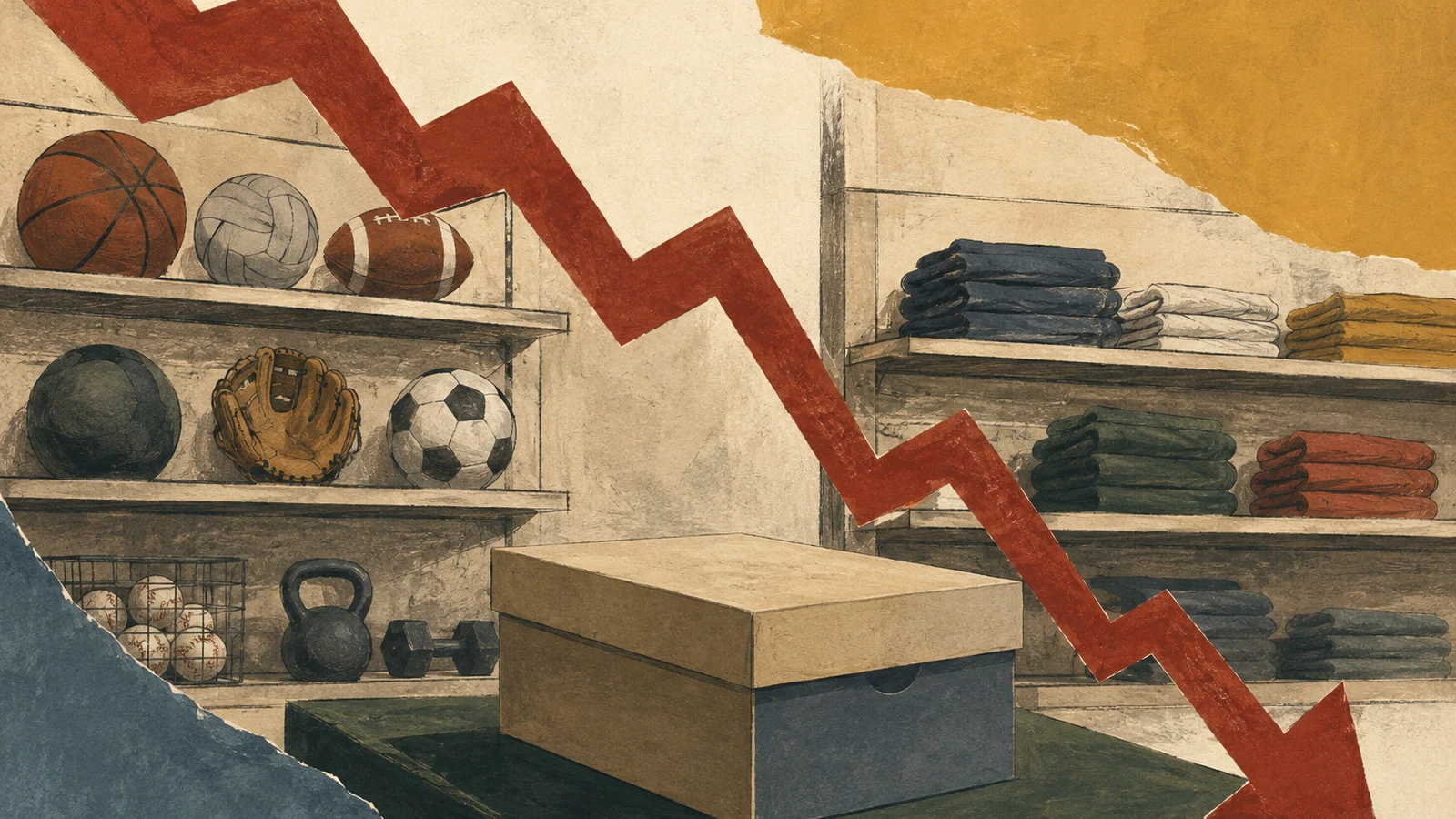
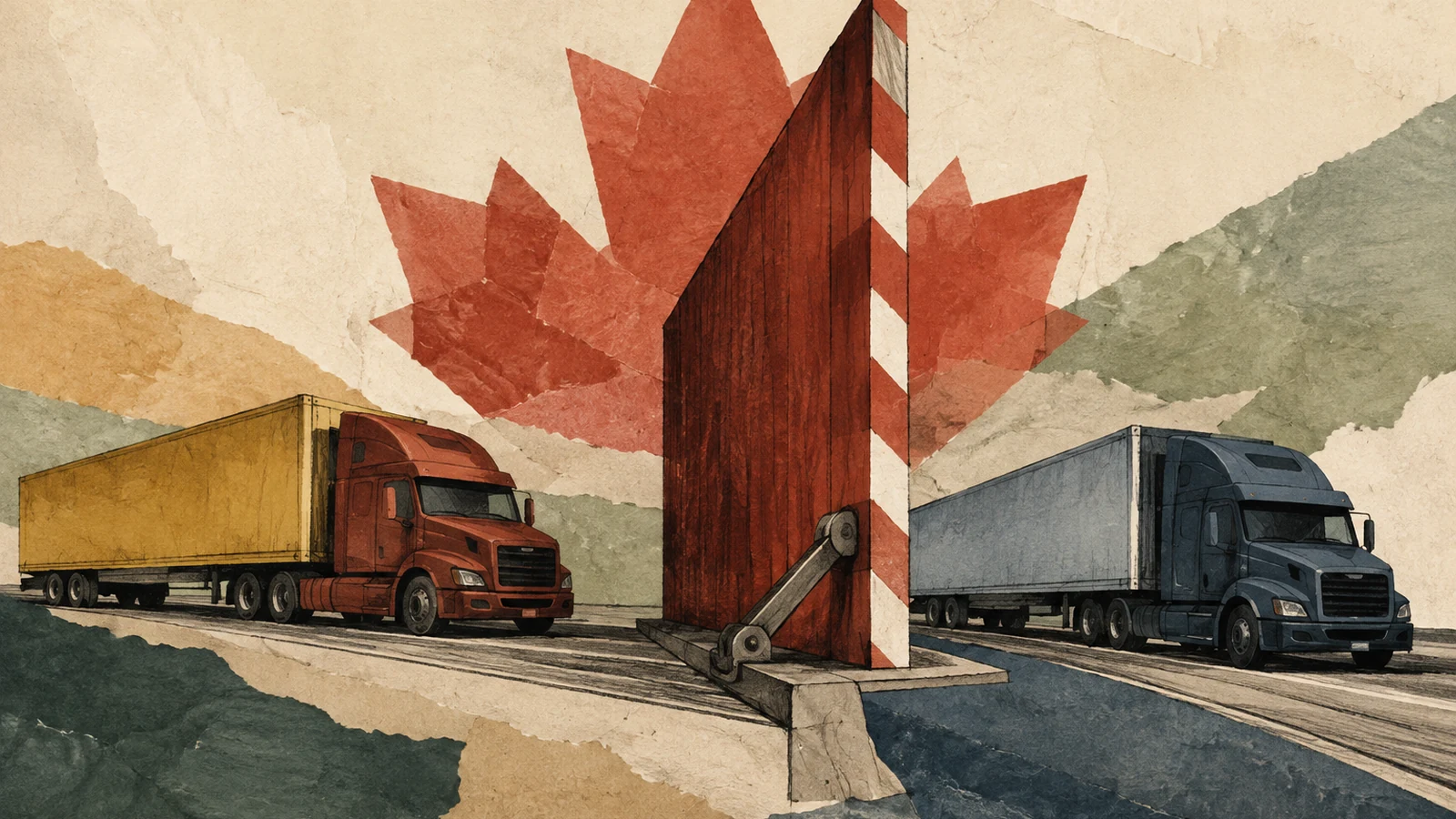
Ottawa's countermeasures will apply duties ranging from 15 to 50 percent on more than 700 US products starting September 8, touching everything from steel, aluminum and dairy to seafood, appliances, farm equipment and clothing. The government is doubling its tariff on American steel and aluminum to 50 percent, mirroring the rate Washington had already imposed on Canadian metal exports.
The retaliation follows President Trump's decision to slap 50 percent tariffs on a broad swath of Canadian goods after trade talks between the two governments collapsed. Canadian Finance Minister Francois-Philippe Champagne described the response as proportional rather than escalatory, framing it as a direct match of the US measures rather than an attempt to raise the stakes further.
“When the United States of America asked too much and offered too little, we made a choice. We chose Canada”
— Canadian Finance Minister Francois-Philippe Champagne
A Cushion for Canadian Businesses
Alongside the tariffs, Ottawa announced a 7.5 billion Canadian dollar support package intended to help small and mid-sized businesses manage cash-flow strain and to assist workers in the most exposed industries. Prime Minister Mark Carney acknowledged the retaliation would raise costs and narrow choices for Canadian shoppers, but defended it as a necessary response.
Officials have signaled the tariff package may not be Ottawa's final move. Canada is reportedly weighing further steps, including possible restrictions on electricity and critical mineral exports to the United States, tools some provincial leaders say should stay on the table if the standoff drags on.
Supply Chains on Edge
The new round of duties caps a steady deterioration in US-Canada trade relations that began when the administration first imposed sweeping tariffs on Canadian goods early last year. Economists warn the back-and-forth threatens to push up prices on both sides of the border, given how tightly integrated supply chains in autos, steel and agriculture have become after decades of largely tariff-free trade.
Business groups in both countries have urged their governments to return to the table, arguing that prolonged uncertainty over tariff levels makes it nearly impossible for manufacturers and retailers to plan pricing and investment for the months ahead.
Next checkpoint
What to watch
Exemptions, customs guidance, renewed negotiations and whether firms pass costs to customers or reconfigure sourcing.
Evidence
Sources and editorial notes
This post was reviewed against the linked primary material and independent sources. Developing figures are labeled and may change.
Spot an error? Read our corrections policy.