
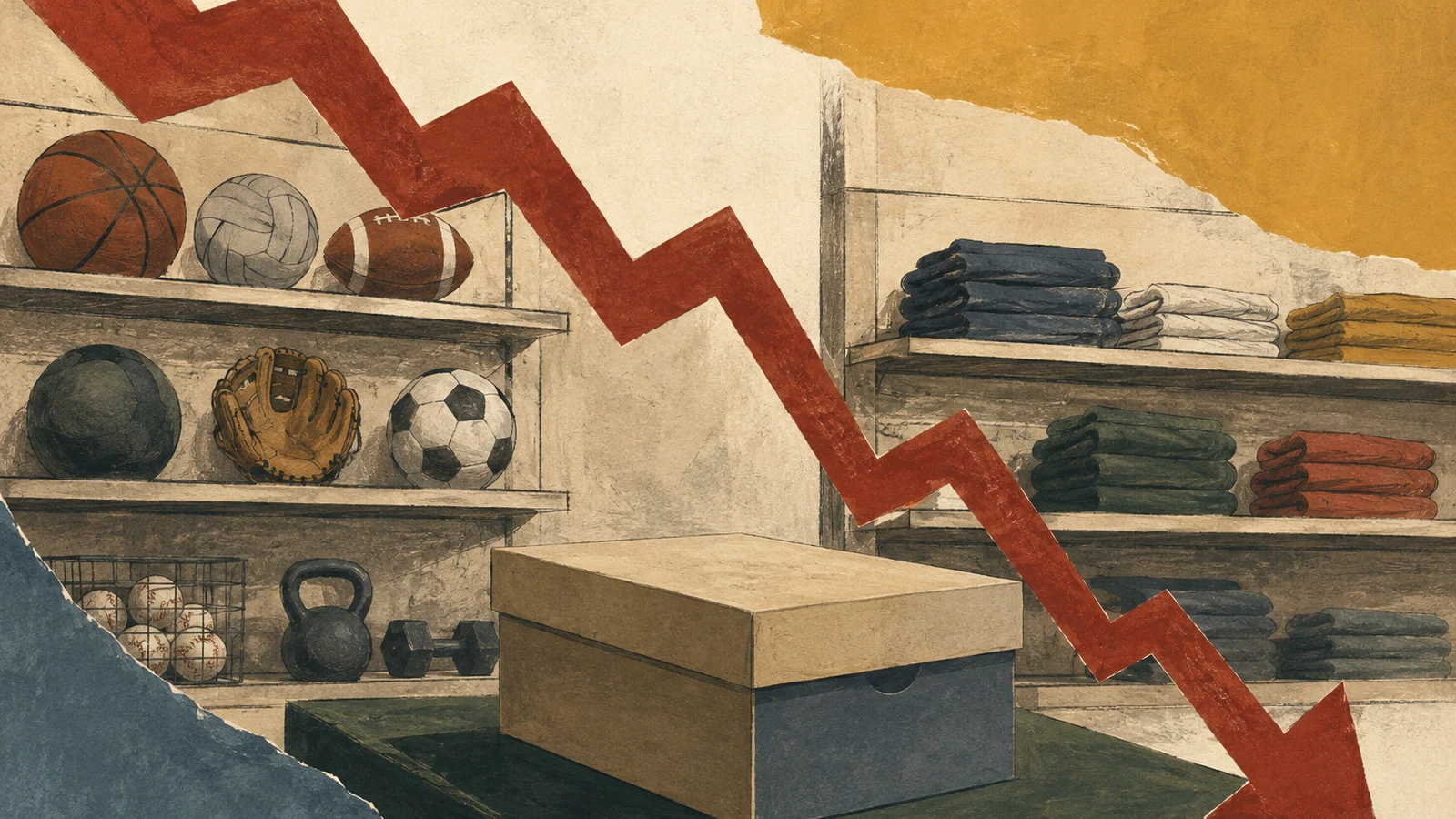
The selloff erased billions of dollars in market value and reignited concerns about the health of discretionary spending heading into the back half of the year. Executives pointed to softer foot traffic and more cautious spending on higher-priced gear, even as the company said its e-commerce business held up better than its stores.
Analysts had largely expected a steady quarter given the retailer's recent momentum, making the scale of the miss more jarring to investors. Several brokerages moved quickly to cut their price targets on the stock, while stopping short of downgrading their overall ratings, citing the company's still-solid balance sheet and market share position.
A Warning Sign for Consumer Spending
The drop lands alongside other signs that shoppers are becoming choosier about discretionary purchases, as elevated gas prices and mortgage costs eat into household budgets. Retail analysts said Dick's results will likely be scrutinized closely by peers reporting in the coming weeks for clues about whether the softness is company-specific or part of a broader pullback.
The company's management maintained that its long-term strategy, including its push into larger-format experiential stores, remains on track, and said it still expects growth for the full year, just at a slower pace than previously projected.
Sector-Wide Ripple Effects
Shares of other sporting goods and outdoor retailers dipped in sympathy following the report, though not nearly as sharply. Some analysts said the reaction may be overdone given the company's still-healthy margins, while others argued it reflects a broader repricing of retail stocks that had run up sharply earlier in the year on optimism about consumer resilience.
Why a modest sales change can produce a large profit shock
Retail earnings are highly sensitive to the mix of full-price and discounted sales. A company can post respectable revenue while earning much less if promotions rise, freight or labor costs increase, or newly acquired stores carry lower margins. That operating leverage helps explain why investors may react far more sharply to a profit warning than to the headline sales figure.
The Foot Locker integration also makes the underlying signal harder to isolate. Investors need to distinguish temporary acquisition costs from evidence that the combined footwear business requires permanently heavier discounting. Comparable-store trends, inventory levels, gross margin, and management's progress on store conversions will be more revealing than a single quarter's share-price move.
Next checkpoint
What to watch
Foot Locker comparable sales, gross margin, inventory, integration costs and whether revised guidance stabilizes in the next quarter.
Evidence
Sources and editorial notes
This post was reviewed against the linked primary material and independent sources. Developing figures are labeled and may change.
Spot an error? Read our corrections policy.