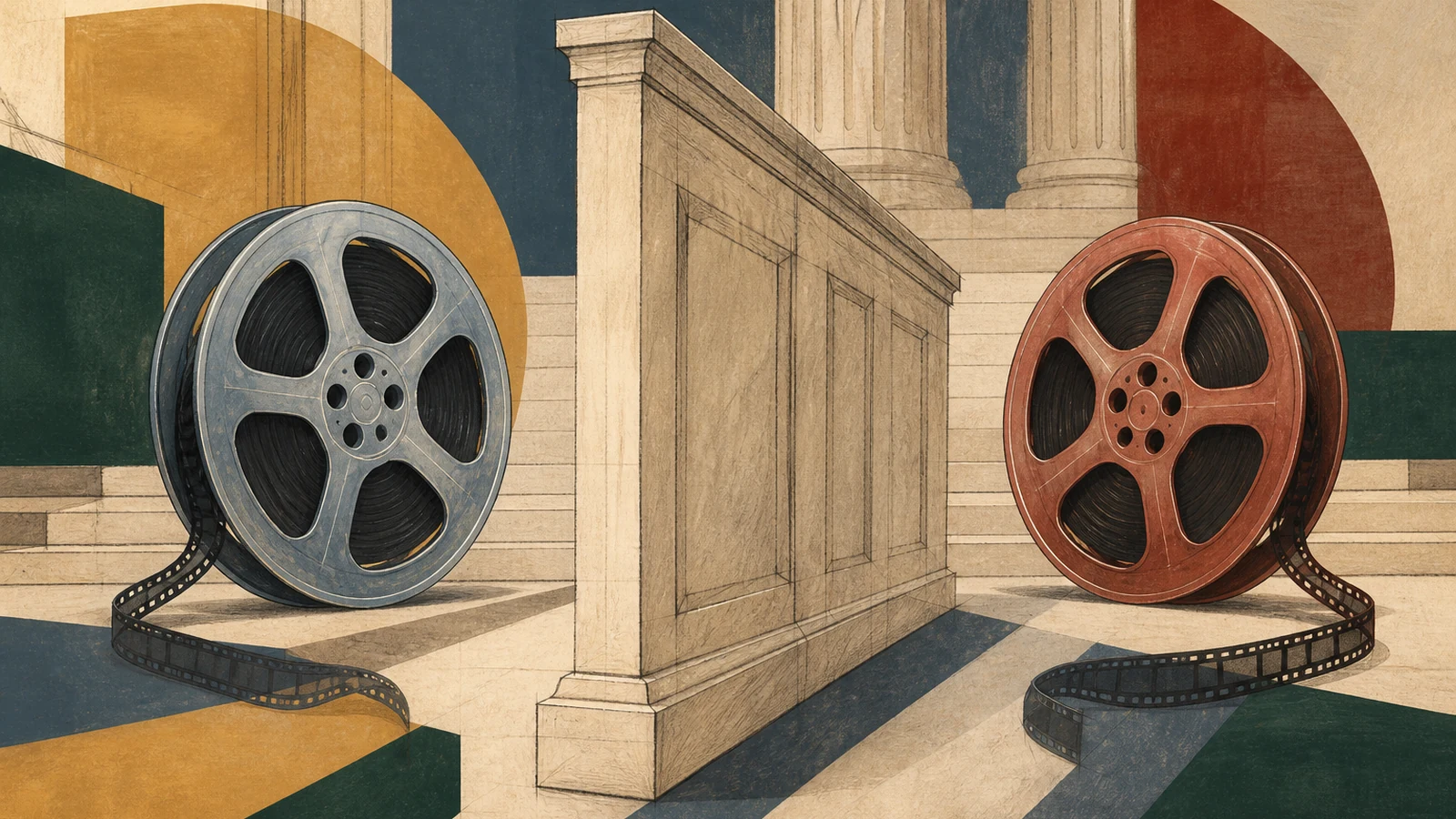
The case was brought jointly by a coalition of a dozen state attorneys general and the Writers Guild of America, who argue the tie-up would hand too much control over film and television production to a single company. Their lawsuit followed the Department of Justice's own review of the merger, which cleared the deal after concluding it would likely strengthen, rather than weaken, competition in a streaming-dominated media landscape.
That federal approval did little to settle the fight. State prosecutors contend the combination of Paramount's studio and streaming assets with Warner Bros. Discovery's library, HBO, DC Entertainment and cable networks would concentrate too much bargaining power over writers, actors and distributors in one boardroom. Paramount has pushed back hard on the timeline, warning that a prolonged court fight leaves both companies unable to plan years of content spending with any certainty.
The delay is the second setback to the deal's closing timeline. Paramount originally hoped to finish the acquisition by the third quarter of 2026; that slipped to mid-2027 once the state lawsuit was filed, and the newly confirmed March trial date makes an earlier resolution unlikely.
“I'm very pleased with the outcome we achieved”
— David Zaslav, President and CEO of Warner Bros. Discovery
Financing Structure Draws Extra Scrutiny
Beyond the antitrust dispute, regulators have taken a closer look at who is actually bankrolling the transaction. Filings show Middle Eastern sovereign wealth funds would end up owning close to 39 percent of the combined company, a stake large enough to draw a separate review from the Federal Communications Commission on top of the state-led court case.
The debt behind the deal has become its own point of controversy. Oracle co-founder Larry Ellison has personally guaranteed more than $40 billion of the borrowing that underpins his son David Ellison's Paramount, a structure some investors have criticized as unusually concentrated risk, even though Oracle's own stock troubles this year are widely viewed as unrelated to the media deal itself.
Two Companies Operating in Limbo
With the trial roughly six months away, both studios continue to report earnings and run day-to-day operations independently. Executives on recent calls have mostly sidestepped merger questions from analysts, reiterating only that they view the combination as good for competition rather than commenting on the litigation itself.
Warner Bros. Discovery's shares have more than tripled from their 52-week low over the past year, a rally analysts attribute almost entirely to takeover speculation rather than to the underlying business, which has continued to show revenue pressure in both streaming and legacy cable. Industry watchers say that until the case is resolved, both companies will likely keep making major content and distribution decisions under a cloud of uncertainty.
Next checkpoint
What to watch
Discovery disputes, expert evidence on market definition, any settlement talks and the financial cost of extending the closing deadline.
Evidence
Sources and editorial notes
This post was reviewed against the linked primary material and independent sources. Developing figures are labeled and may change.
Spot an error? Read our corrections policy.