The company has spent the past two years working through a restructuring plan aimed at trimming costs, shedding non-core businesses and improving margins after a stretch of underperformance relative to rivals. Executives say the plan remains on track, pointing to reduced overhead and early efficiency gains at several plants.
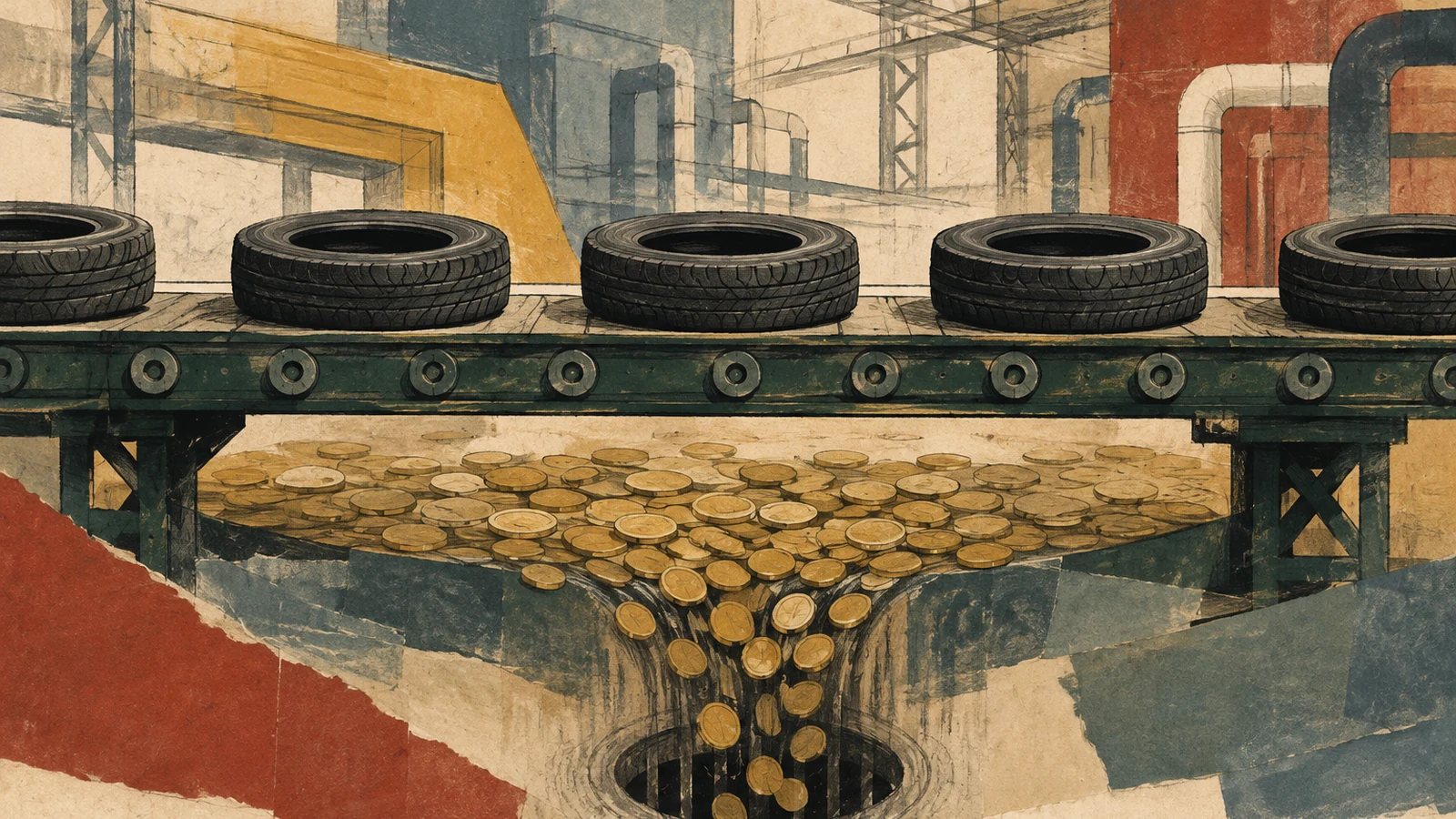
Even so, the company's cash position continues to shrink as it works through the transition, a dynamic that has kept pressure on the stock even as management touts progress on other fronts. Weak demand in parts of the replacement tire market, combined with elevated raw material costs, has made it harder for savings to show up quickly on the bottom line.
Investors Want to See the Cash Flow Turn
Analysts covering the stock say the turnaround's credibility increasingly hinges on when free cash flow actually turns positive, rather than on cost-cutting milestones alone. Some have argued the company needs another year or more of execution before the plan's benefits show up clearly in its financial results.
Management has pushed back on the idea that the timeline needs to change, arguing that a portion of the cash burn reflects one-time restructuring costs that will fade as the plan matures, rather than a sign the underlying strategy isn't working.
A Tough Stretch for Tiremakers
Goodyear isn't alone in facing pressure. Tiremakers broadly have contended with soft demand in commercial and industrial segments this year, along with input cost volatility tied to trade tensions and shipping disruptions. Some competitors have leaned more heavily on price increases to protect margins, a path Goodyear has also pursued selectively while trying not to lose market share in a competitive pricing environment.
Follow the cash, not only the adjusted earnings
Turnaround plans often emphasize adjusted profit because it removes restructuring charges and other items management considers temporary. Creditors and shareholders still have to fund the actual cash leaving the business. When free cash flow remains negative, the company has less flexibility to reduce debt, modernize factories, absorb another demand shock, or return capital to investors.
The central question is whether today's cash costs purchase durable savings. Plant closures, product simplification, and supply-chain changes can improve later years, but repeated restructuring can also become a recurring expense rather than a bridge to stability. Useful checkpoints include working-capital movement, capital spending, interest expense, unit volumes, and whether promised savings appear in reported cash flow.
Next checkpoint
What to watch
Free cash flow, tire volumes, price versus raw-material costs, restructuring outlays and progress against published savings targets.
Evidence
Sources and editorial notes
This post was reviewed against the linked primary material and independent sources. Developing figures are labeled and may change.
Spot an error? Read our corrections policy.